


Basic Dog Training: How to Start So It Actually Works
Reward the moment your dog gets it right, train for 5 to 10 minutes a day every day, and avoid physical punishment. Here is why positive reinforcement works better for both behaviour and your relationship with your dog.

Short answer: Effective basic dog training uses positive reinforcement, meaning you reward your dog the instant it performs the behaviour you want. Train in short sessions but do it consistently, and avoid physical punishment, which can create fear and aggressive behaviour in the long run.
Basic training does more than shape behaviour. It also improves the relationship between owner and dog.
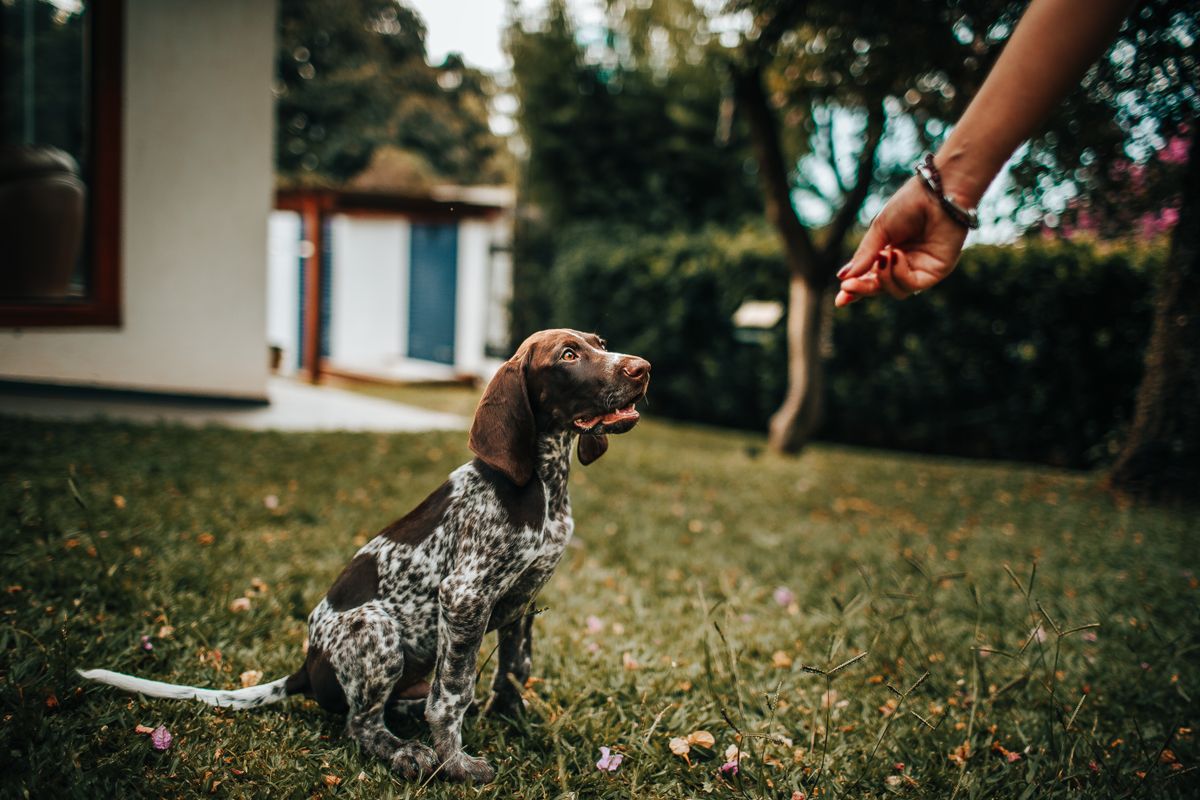
The principle of positive reinforcement
Research in animal behaviour supports the idea that giving a reward, such as a treat or praise, the moment the dog performs the desired behaviour works better than punishment, and helps build a positive bond between dog and owner.
How long a training session should be
Train in short sessions of around 5 to 10 minutes at a time, but do it consistently every day. That is better than one long session followed by a long gap, because a dog's attention span is limited.
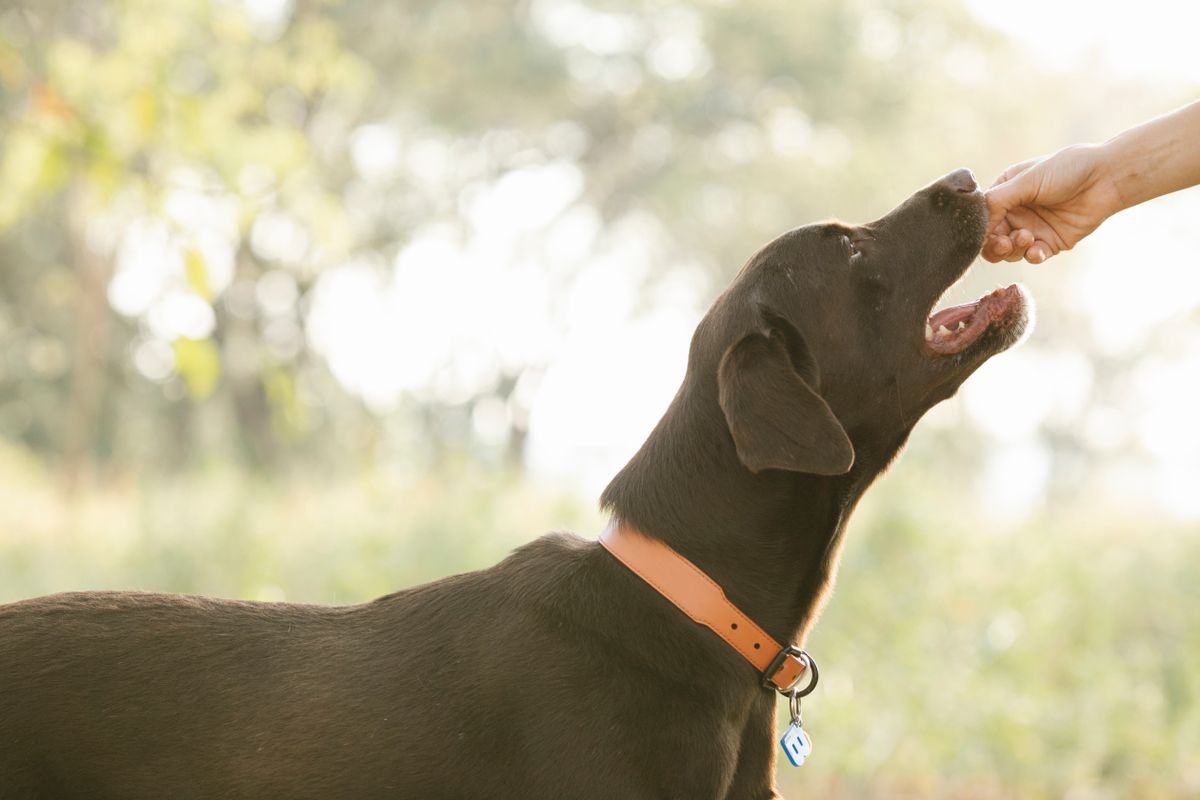
Why physical punishment is not advised
Physical punishment can create fear and mistrust, which in some cases leads to more severe aggressive behaviour over time rather than correcting the unwanted behaviour.
I suggest starting with basic commands such as sit, stay and come while the dog is still young. If you run into more complex behaviour problems, our veterinary team at Hug & Heal can advise on the right approach.
Frequently asked questions
Q: At what age can I start training a dog?
A: You can start simple basic training from puppyhood, keeping it fun and in short sessions that suit a puppy's attention span.
Q: Can an adult dog still be trained effectively?
A: Yes. Dogs can learn at any age. It may simply take more patience and more time than with a puppy.