


Dental Care for Dogs: How to Brush Their Teeth Properly
Brushing is not just about breath. Severe periodontal disease can affect the heart, kidneys and liver. A step by step guide, from getting a dog used to having its mouth touched to the right brushing order.

Short answer: Brushing a dog's teeth properly means using a brush and toothpaste made specifically for dogs. Start gradually, letting the dog get used to having its mouth touched, then brush in order from the canines to the molars to the front teeth. Always give a reward afterwards. Brushing daily is ideal, or at least 3 to 5 times a week, to reduce tartar build up.
Oral health matters more to a dog's overall health than many people realise, yet a great many owners are still not in the habit of brushing their dog's teeth.
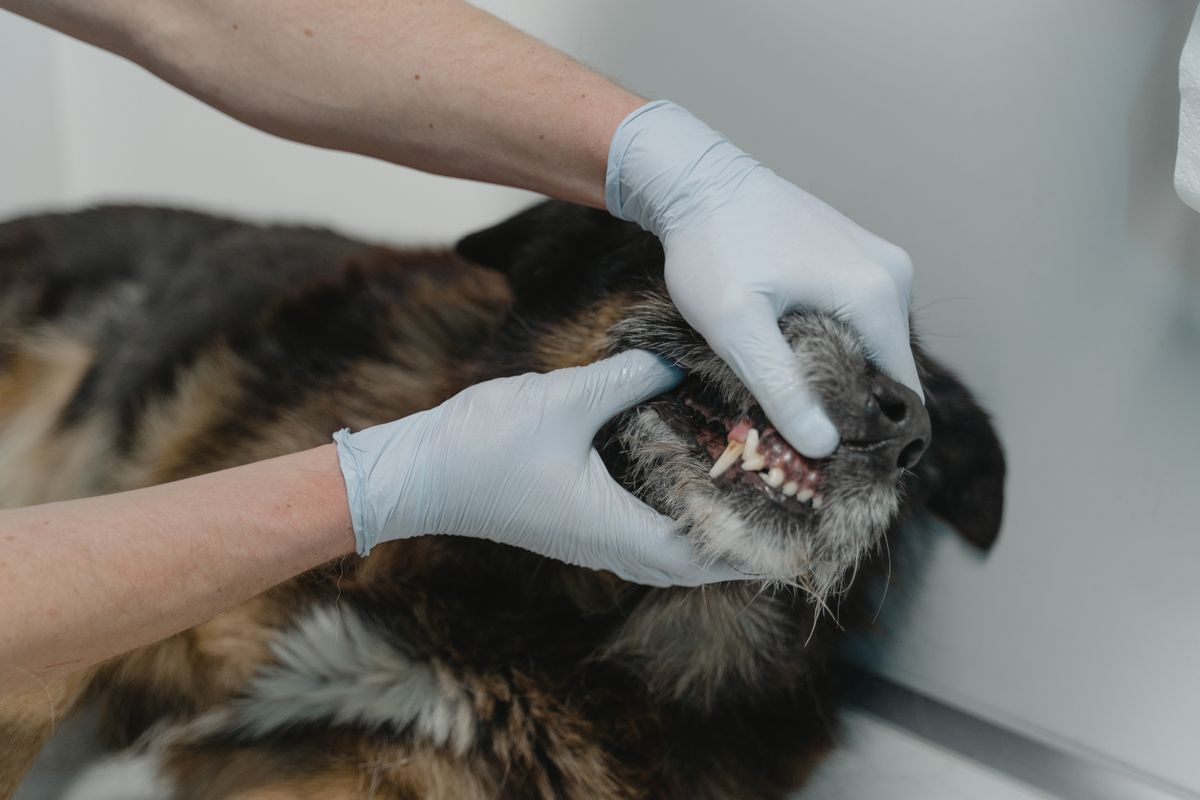
Why brush a dog's teeth
Tartar build up can lead to gingivitis and tooth loss. Veterinary research has also found that severe periodontal disease may affect other organs in the body, such as the heart, kidneys and liver.
The right equipment
Choose a toothbrush suited to the size and shape of your dog, either a handled brush or a finger brush. The toothpaste must be made specifically for dogs. Never use human toothpaste, because dogs cannot spit it out and rinse. Human toothpaste contains ingredients such as fluoride and xylitol that can be severely harmful and even fatal if a dog swallows them. You can choose a flavour your dog likes.
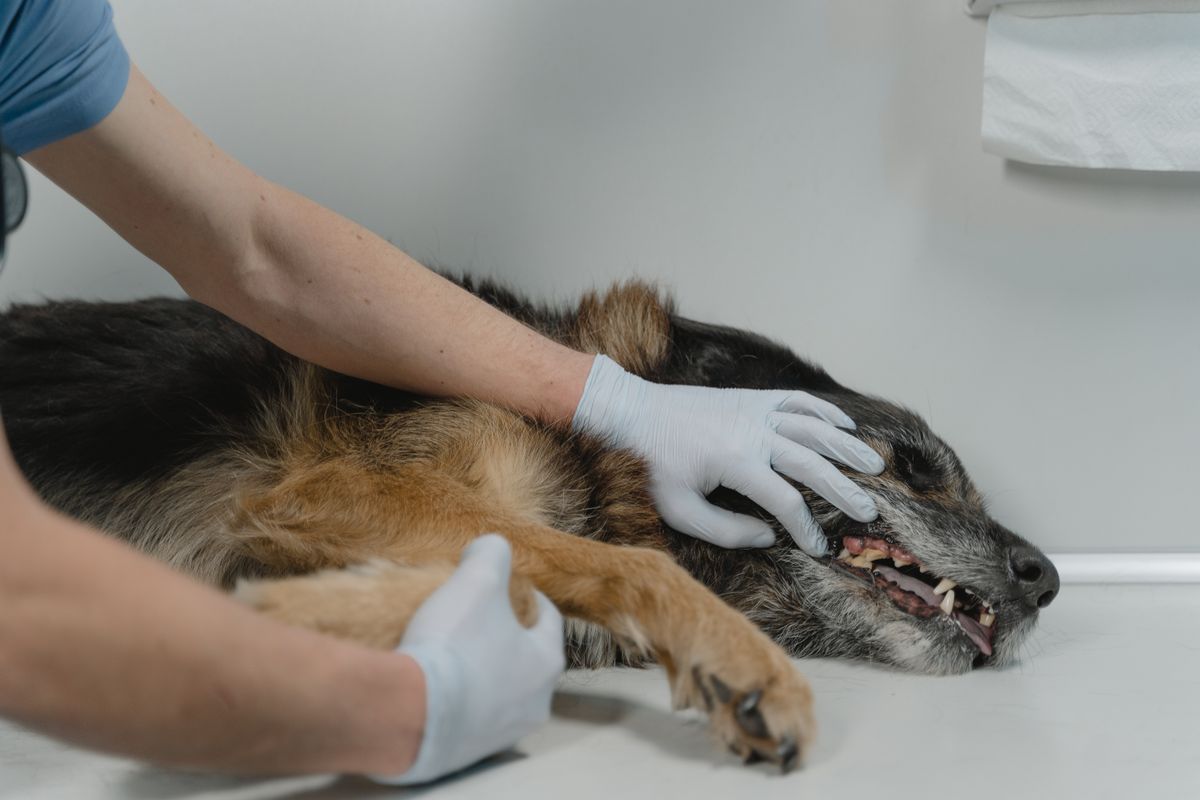
The brushing steps
Start by letting your dog get used to having its mouth and teeth touched, introducing the toothpaste by dabbing it on the lips, and the toothbrush too. Giving a treat after each session as a reward builds a positive association with the activity. Once your dog is comfortable, use the toothbrush with toothpaste. Begin at the canines, brushing up and down. Move on to the molars, brushing in circles. Finish with the front teeth, brushing up and down, left until last because they are the most sensitive to touch. Do both the left and right sides, outer surfaces only, and do not forget the reward at the end to build a good feeling about brushing and a willingness to do it again.
I recommend brushing every day, or at least 3 to 5 times a week, alongside an annual oral health check at Hug & Heal so problems can be assessed and managed before they spread.
Frequently asked questions
Q: Can I use human toothpaste on my dog?
A: No. Dogs cannot spit out toothpaste and rinse, and human toothpaste contains ingredients such as fluoride and xylitol that can be severely harmful and even fatal if swallowed.
Q: What should I do if my dog will not let me brush?
A: Train gradually and reward with positive reinforcement. If the dog resists strongly, do not force it, because that can create fear and accumulated stress. Switch to alternatives instead, such as dental chews or dental toys, or a water additive. If that still does not work, talk to your veterinarian about other options for oral care.