


Ear Infections in Dogs: Signs and Prevention
Scratching the ears, frequent head shaking, rubbing the ears on things or tilting the head to one side are signs not to wait on. Floppy eared dogs are at higher risk.

Short answer: Common signs of ear infection in dogs include scratching at the ears, unusually frequent head shaking, rubbing the ears against things, a bad smell from the ear, abnormal looking wax, and even tilting the head to one side. Floppy eared breeds, which get less airflow, are at higher risk than dogs with upright ears. Cleaning the ears correctly and at a suitable frequency helps reduce the risk.
Ear infection is a common problem in dogs, particularly in breeds whose ear flaps fold over the ear canal.
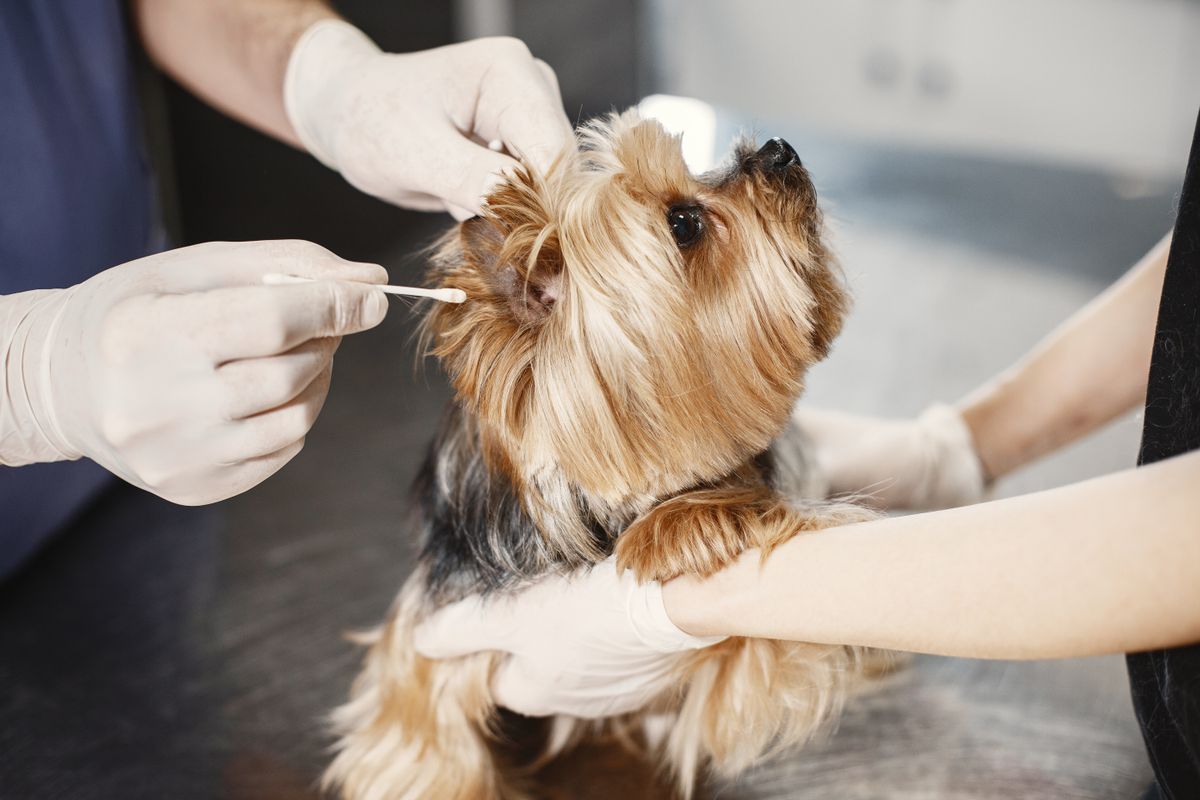
Signs to watch for
Scratching at the ears, unusually frequent head shaking, rubbing the ears against things, an abnormal appearance such as skin around the ear canal that looks red, feels hot or has bumps, wax that has changed in colour or smell or has become purulent, and tilting the head to one side. All of these warrant an examination.
Breeds at higher risk
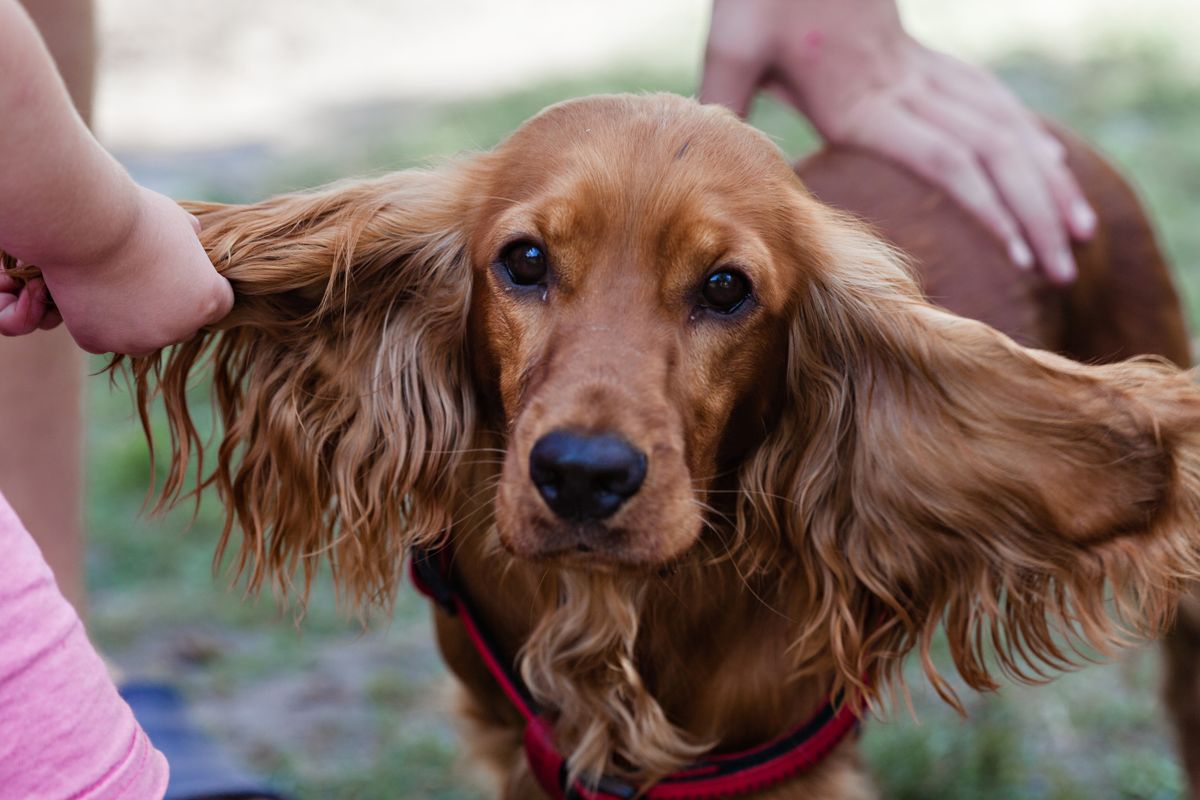
Dogs whose ear flaps fold over the canal, such as cocker spaniels, or breeds with dense hair inside the canal, tend to be at higher risk of ear infection, because airflow within the canal is poorer and moisture, wax and pathogens accumulate more easily.
Prevention
Cleaning the ears regularly with a suitable solution, and drying the ears after bathing or swimming, reduce the build up of moisture that is a risk factor for infection.
Avoid pushing cotton buds deep into the ear canal, because they can drive debris further in or cause injury. If you suspect an ear infection, Hug & Heal offers ear examination and cleaning by our veterinary team.
Frequently asked questions
Q: Can dogs with upright ears get ear infections?
A: Yes, although the risk is lower than in floppy eared dogs because airflow is better.
Q: How often should I clean my dog's ears?
A: Generally once or twice a week, though the frequency depends on breed and lifestyle. Dogs with an existing ear canal infection will have their own specific frequency, so ask your veterinarian what suits your dog.