


Bloat and GDV in Dogs: The Emergency Every Owner Should Know
A tight swollen abdomen, retching with nothing coming up, restlessness and laboured breathing are the signs of gastric dilatation volvulus, a life threatening emergency most often seen in large deep chested dogs. It means going to hospital immediately.

Short answer: Bloat and gastric dilatation volvulus (GDV) is a life threatening emergency. The signs to know are an unusually swollen, tight abdomen, retching with nothing coming up, restlessness and laboured breathing. It is most often seen in large deep chested dogs. If you see these signs, go to an animal hospital immediately without waiting.
Bloat, or gastric torsion, is one of the most dangerous emergencies in dogs and needs urgent treatment.
What is this condition
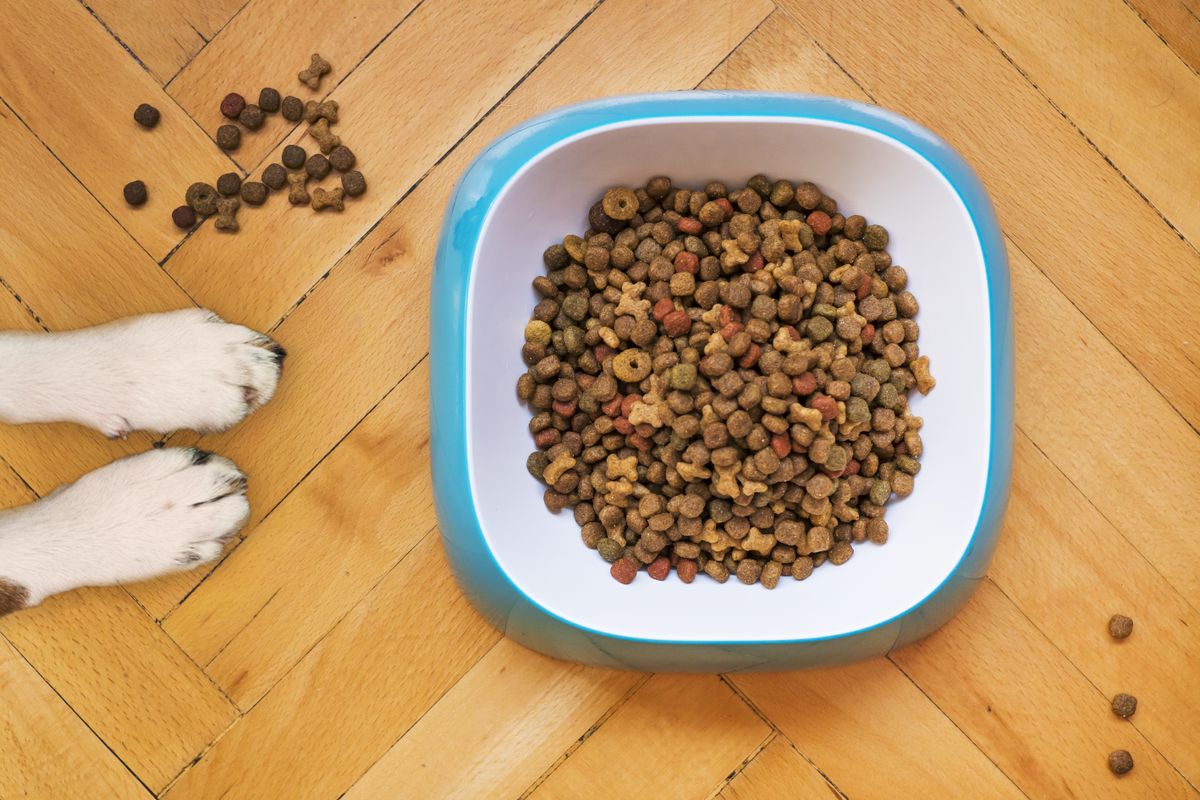
The stomach distends with gas or food and may rotate on its axis, cutting off normal blood flow. It progresses very quickly and is fatal if treatment does not arrive in time.
Signs to look for urgently
An unusually swollen and tight abdomen, attempts to vomit or belch with nothing coming up, restlessness and inability to settle, heavy drooling, and difficulty breathing. These signs mean going to hospital right away.
Dogs at higher risk
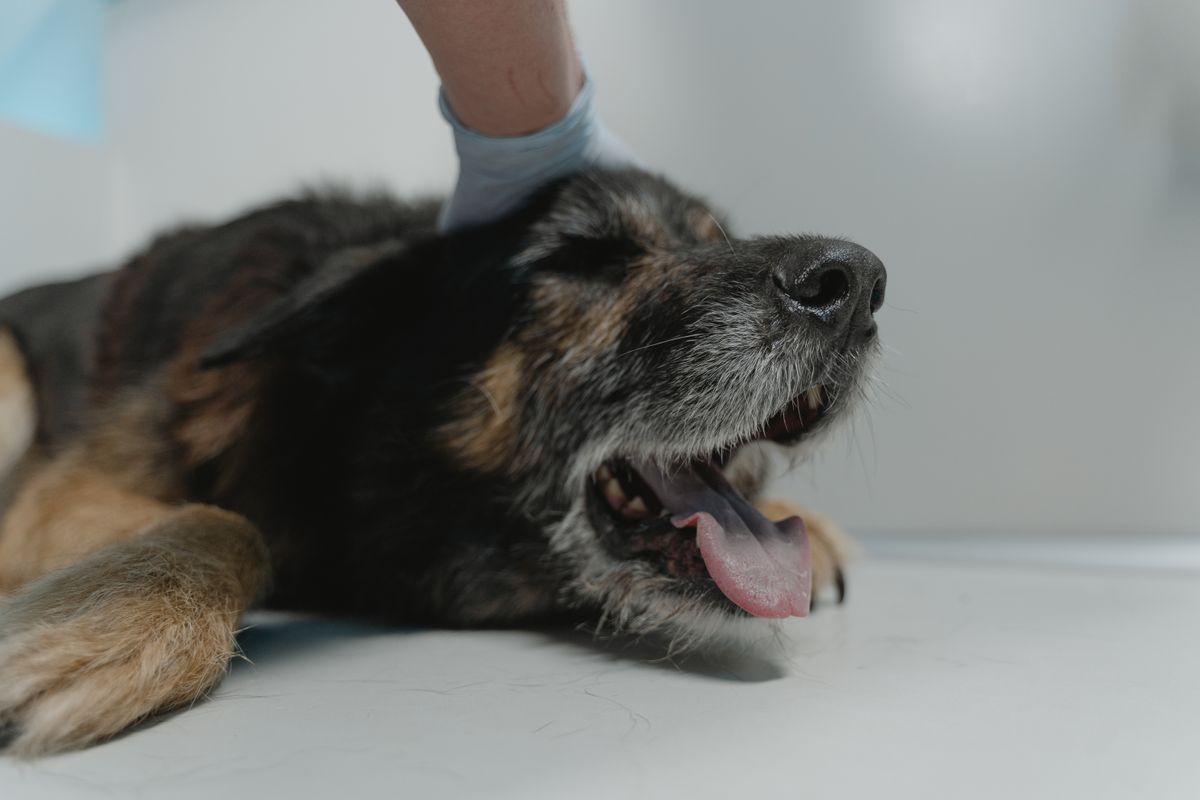
It is most often seen in large breeds with a deep chest, such as Great Danes, Dobermans and German Shepherds, particularly after eating a large meal quickly or exercising immediately after a meal.
I want to stress that this is an emergency. If you suspect it, come to the hospital at once rather than waiting to observe at home. At Hug & Heal we have emergency and inpatient services with a veterinary team available 24 hours a day.
Frequently asked questions
Q: Can small breed dogs get bloat or GDV?
A: It is significantly less common than in large deep chested dogs, but it should not be ignored if you notice abnormal signs.
Q: Is feeding one large meal a day risky?
A: Eating quickly and in large volume at one sitting is one of the risk factors. Dividing food into smaller meals and slowing eating down may help reduce the risk.