


Early Warning Signs of Hip Dysplasia in Large Breed Dogs
Struggling to get up, a bunny hopping gait, and reluctance to climb stairs are the early signs of hip dysplasia commonly seen in Labradors, German Shepherds and Golden Retrievers. Here is what to watch for and how to help.

Short answer: The early signs of hip dysplasia in large breed dogs include difficulty getting up and sitting down, a swaying gait that looks like a rabbit hopping, reluctance to climb stairs or jump into the car, and intermittent limping. It is common in large breeds such as Labradors and German Shepherds. If you notice these signs, bring your dog in for an examination.
Hip dysplasia is a condition seen frequently in large breed dogs, and genetics can be one of the contributing factors.
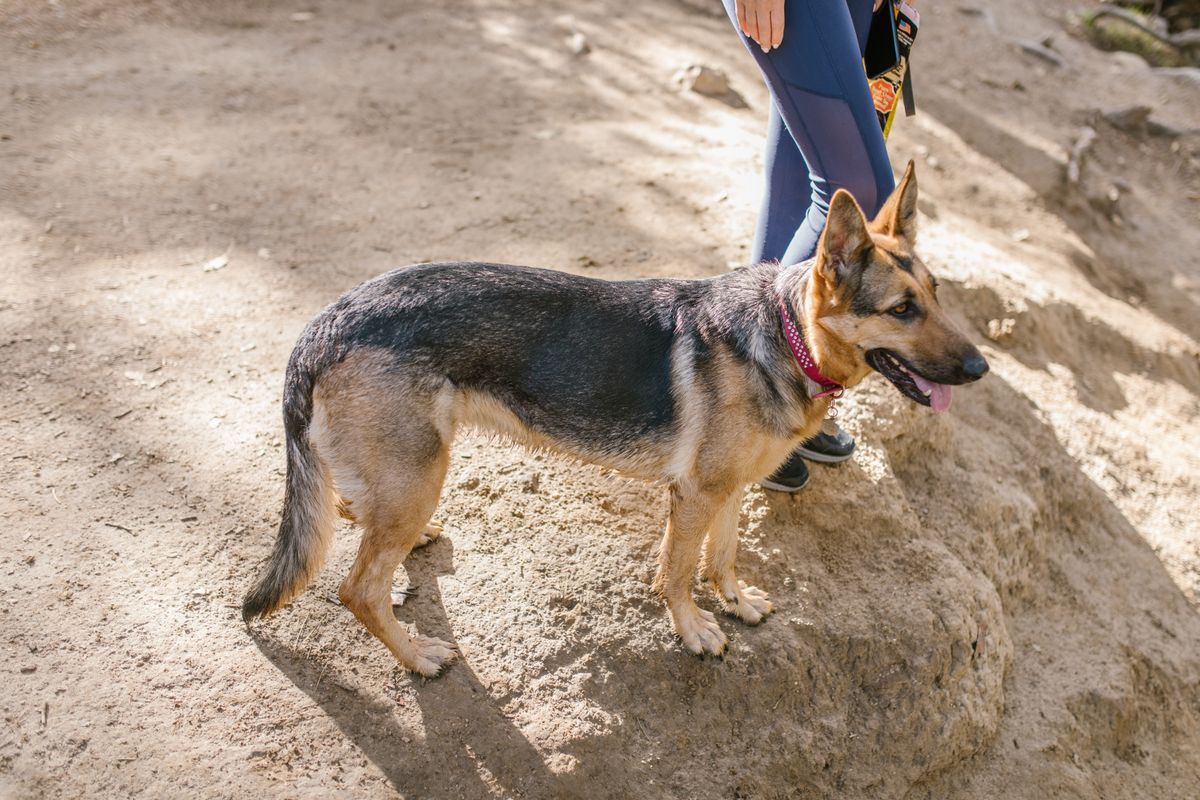
Early signs to watch for
More difficulty than usual getting up and sitting down, a swaying gait that resembles a rabbit hopping, particularly in the hind legs, reluctance to climb stairs or jump into the car, and intermittent limping, especially after exercise.
Breeds at higher risk
Large breeds such as Labradors, German Shepherds and Golden Retrievers tend to show this condition more often than small breeds, because of both genetic factors and greater body weight.
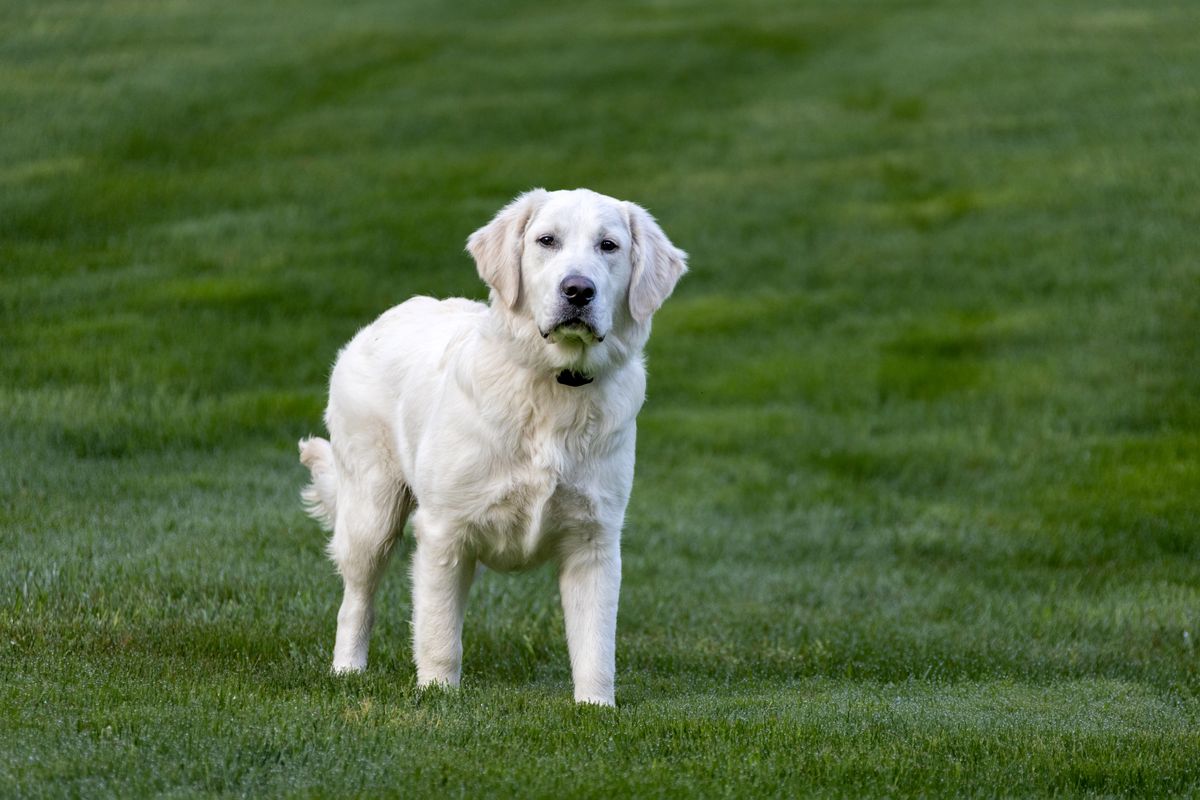
How to care for it
Keeping body weight within a healthy range reduces the load on the hip joints. Moderate exercise that does not jar the joints too much, such as swimming, can help build the muscle around the joint without adding compression.
I recommend bringing large breed dogs in for periodic joint checks, particularly if you have noticed any early signs. At Hug & Heal our veterinary team offers joint and skeletal assessment, so owners can stop worrying and care for their dog in the right way.
Frequently asked questions
Q: Is hip dysplasia caused by genetics alone?
A: Genetics is a major factor, but other factors are involved too, such as body weight and inappropriate exercise during puppyhood.
Q: Can small breed dogs get hip dysplasia?
A: Yes, they can, although it is less common than in large breeds. Watch for an abnormal gait in dogs of any size.