


Dog Nutrition by Life Stage: Puppy, Adult and Senior
Puppies, adults and seniors do not need the same nutrients. Here is what to prioritise at each stage, and why feeding by the label alone is not enough.

Short answer: Puppies need high protein and energy for growth. Adult dogs need energy balanced to their activity level. Senior dogs generally do better on fewer calories and more fibre to support digestion and joints.
Good nutrition is one of the single most important factors in a dog's long term health, and nutritional needs change as a dog ages.
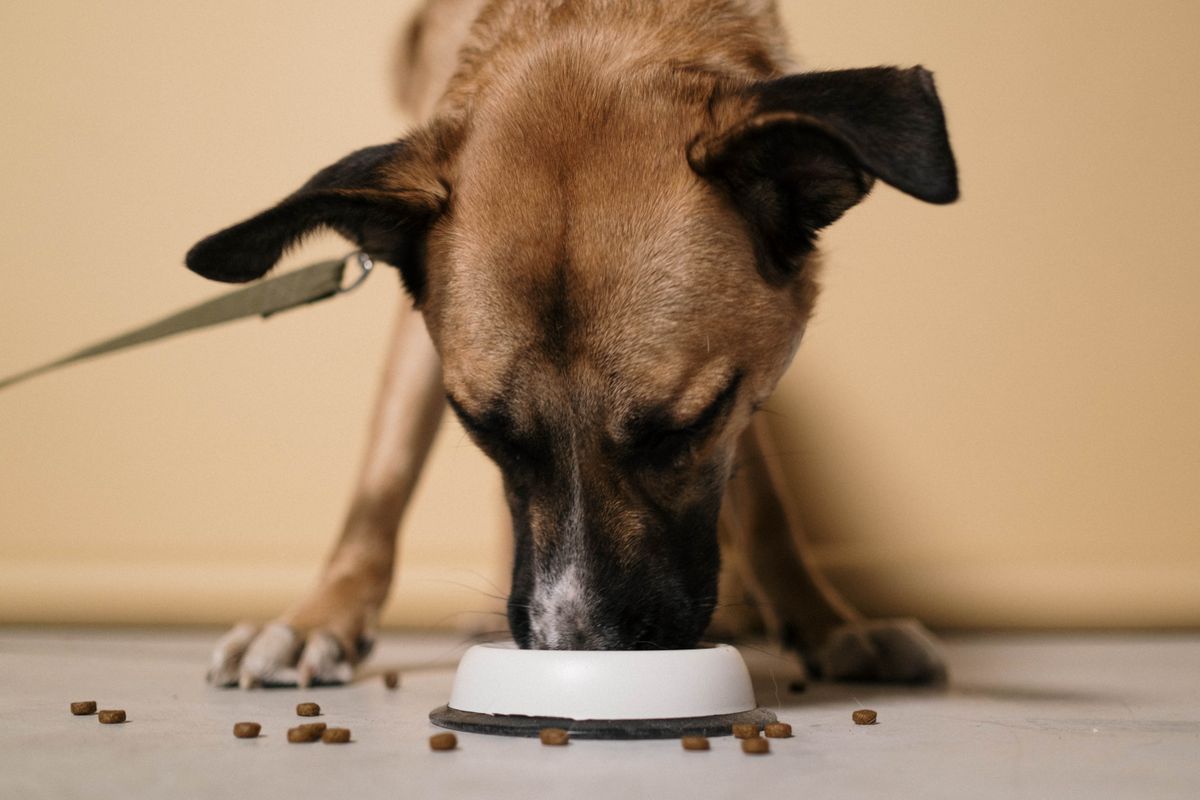
Puppies (0 to 12 months)
Puppies need more energy and protein than adult dogs to support the growth of muscle and bone. Food formulated specifically for puppies is usually designed with an appropriate calcium to phosphorus ratio, which matters for skeletal development.
Adults (1 to 7 years)
The focus here is balancing energy against activity level. Dogs that exercise little should receive fewer calories, to prevent excess weight or obesity, which are risk factors for joint disease and metabolic disease over the long term.
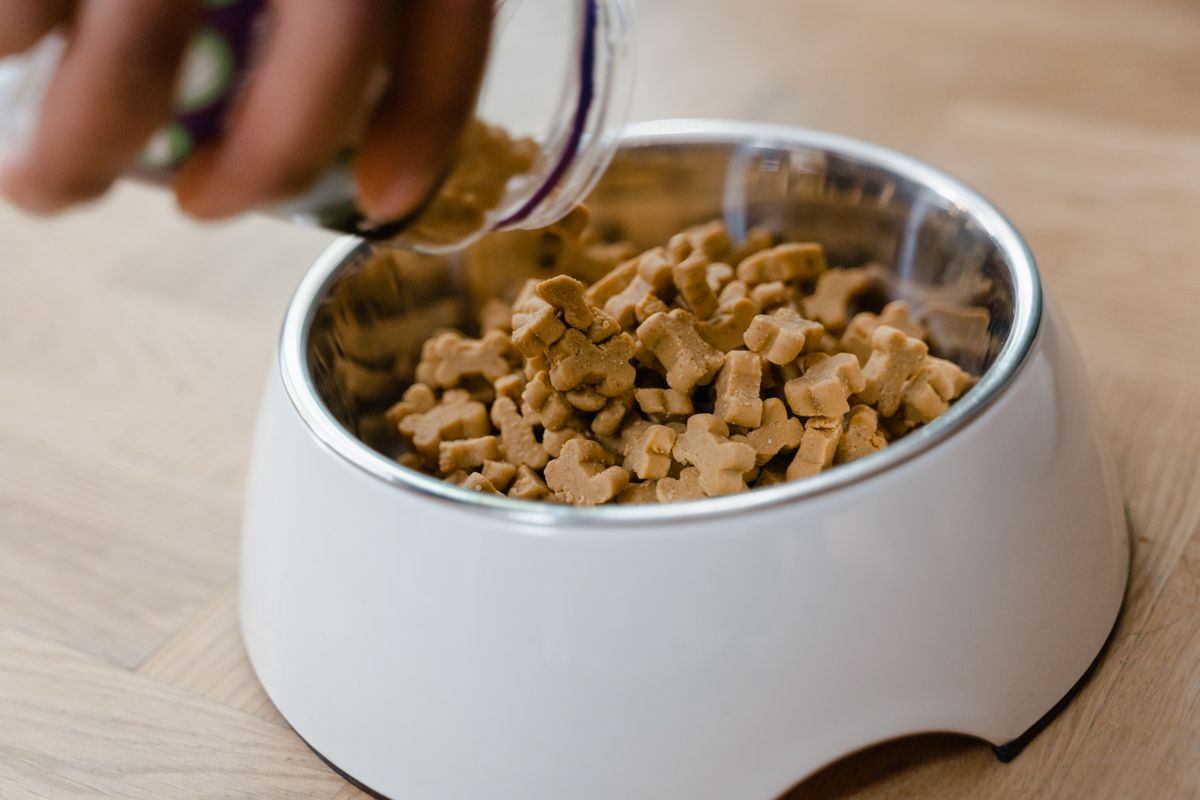
Seniors (7 years and older)
Metabolism begins to slow. Food for senior dogs usually reduces calories and increases fibre to support digestion, and some formulas add joint support supplements, which veterinary research has found may help slow joint degeneration in some cases.
General principles for choosing food
Choose food that states it meets AAFCO standards or the equivalent, and adjust the amount to your dog's actual body weight rather than relying only on the guidance printed on the bag, because activity levels differ from dog to dog.
If you are not sure what your dog should be eating, the veterinary team at Hug & Heal is happy to advise on an individual nutrition plan alongside an annual health check.
Frequently asked questions
Q: When should I switch a puppy onto adult food?
A: Generally at around 12 months, though some large breeds change later than that. Ask your veterinarian what suits your dog.
Q: Do senior dogs have to eat a special formula?
A: Not always, if the dog is in good health. If there is a specific condition, the diet can be changed to one formulated for that condition. This is best decided alongside an annual health check.