


Obesity in Dogs: The Risks and How to Manage Weight
Excess weight is not just a matter of appearance. It raises the risk of joint disease, diabetes and high blood pressure. How to assess your dog at home, and why crash dieting is the wrong answer.

Short answer: Overweight dogs face a higher risk of osteoarthritis, diabetes and high blood pressure. The recommended approach is to match food portions to activity level and to increase regular exercise. Cutting food back abruptly is not advised.
Excess weight is one of the most common health problems in pet dogs, and it is often overlooked because it does not look like a "disease" straight away. A large body of veterinary research shows that excess weight is linked to the risk of several conditions over the long term.

The risks involved
Excess weight adds load to the joints, which can accelerate the onset of osteoarthritis. It is also linked to the risk of diabetes, high blood pressure, and respiratory problems in certain breeds.
How to make a first assessment
Owners can judge from the outside, including by feeling for the ribs. If the ribs are easy to feel without pressing hard, if there is a visible waist when looking down from above, and if the belly tucks up in proportion when seen from the side, the weight is in a good range. If the ribs are hard to feel, there is no waist at all, and the belly hangs low, that may be a sign of excess weight.
How to manage it
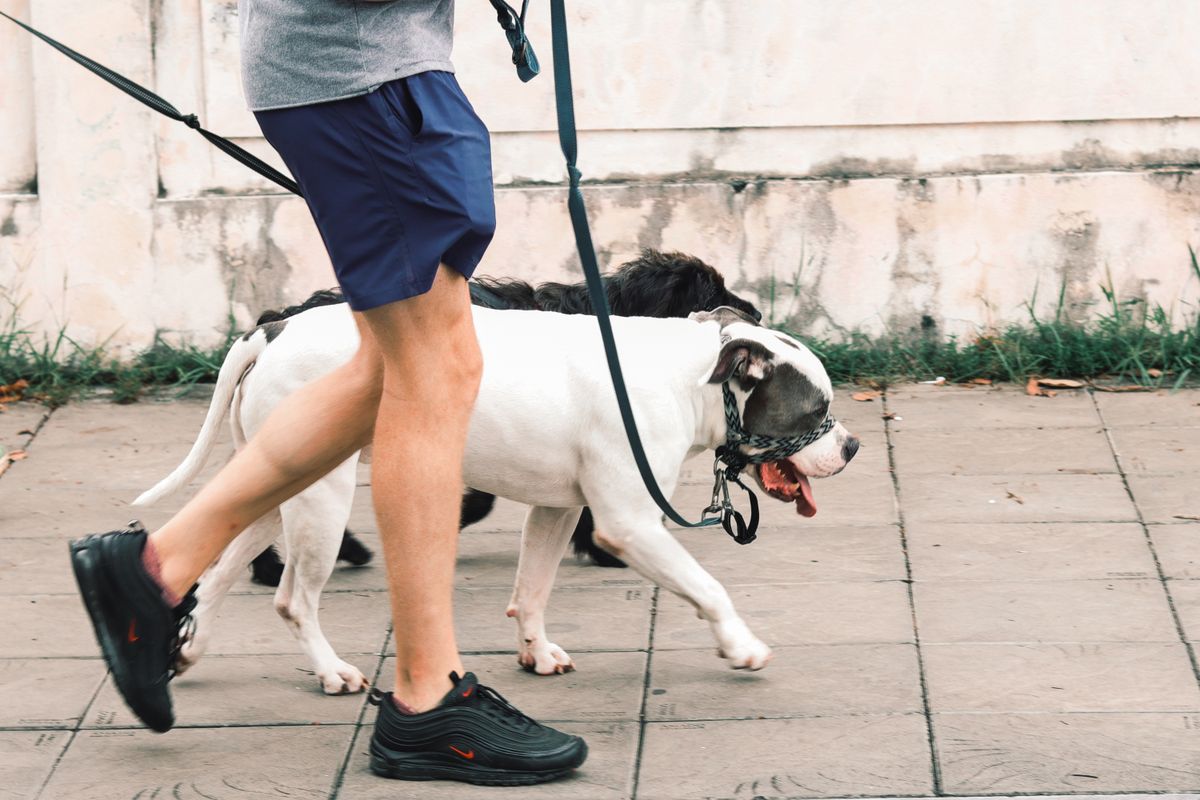
Effective weight control works on two fronts at once: adjusting food portions to match activity, and increasing regular exercise. Do not cut food back abruptly, because that can harm health in its own way.
I recommend checking weight and body condition score periodically. At Hug & Heal we offer health checks and individually designed nutrition advice for each dog.
Frequently asked questions
Q: How do I know if my dog is too heavy?
A: Owners can assess by "looking with the eyes" and "feeling with the hands". Observe the outline, for example the belly seen from the side and the shape of the waist seen from above, and feel for the ribs. If you are unsure, a veterinarian can assess the body condition score.
Q: Is losing weight too fast dangerous for a dog?
A: Losing weight too quickly can harm health, causing loss of muscle mass, acute fatty liver, nutritional deficiency, and even accumulated stress and a weakened immune system. It should therefore be done under veterinary guidance so the plan is appropriate.