


Essential Dog Vaccines and the Schedule You Should Know
The 5-in-1 combination vaccine and rabies are the two every dog should have. Here is when to start, how many doses, and what happens if you miss a booster.

Short answer: The vaccines every dog should receive are the 5-in-1 combination vaccine and rabies. The first dose is generally given at 6 to 8 weeks of age, with 3 doses of the combination vaccine and 2 doses of rabies, boosted every 3 to 4 weeks, followed by an annual booster every year after that.
Vaccination is one of the most effective disease prevention measures available for dogs. Vaccines are divided into core vaccines and non-core vaccines, the latter given according to the risks in a particular area.
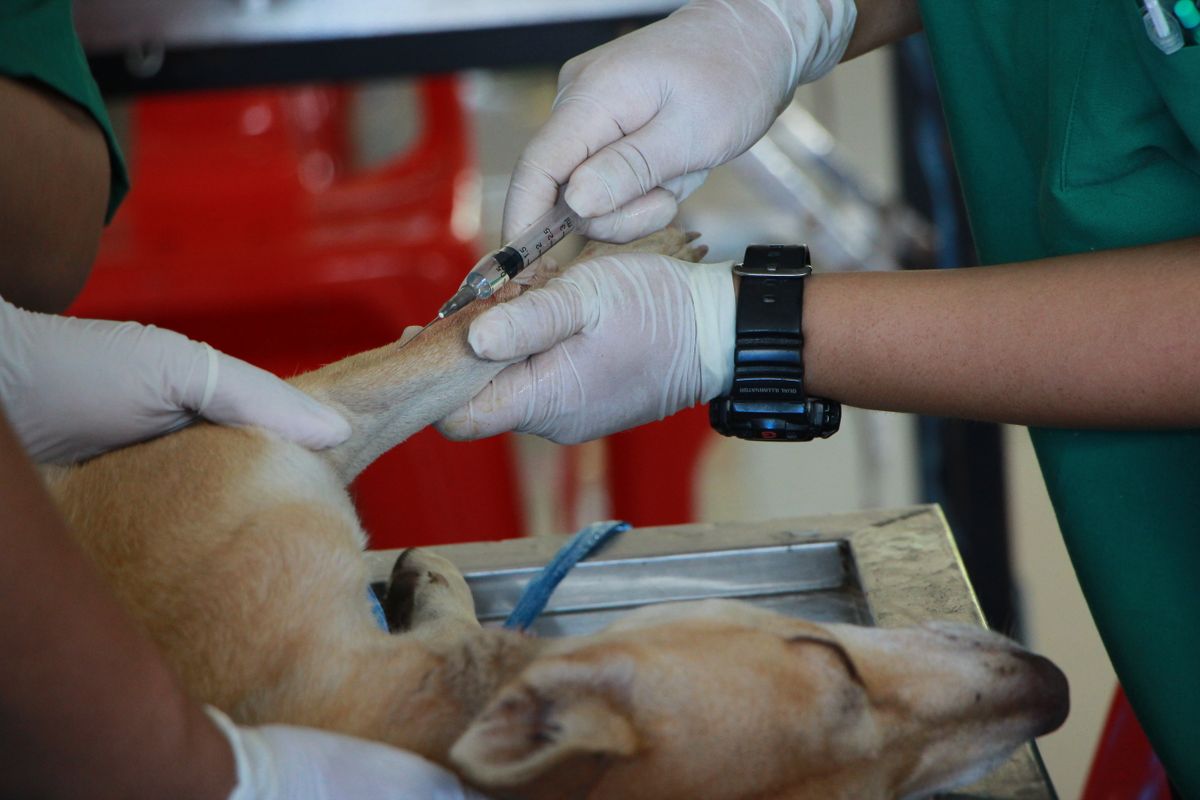
Core vaccines
These cover diseases that are both severe and widespread, such as distemper, infectious hepatitis, parvovirus and rabies. Rabies vaccination is required by law for every pet.
Non-core vaccines
These are given according to an individual animal's risk. They protect against diseases that are not universally present, and are considered in the light of lifestyle. For example, if your dog often socialises with other dogs, at day care or in public parks, additional vaccines may be worth considering.
The 5-in-1 combination vaccine covers
- Canine distemper
- Canine infectious tracheobronchitis (CIT, kennel cough)
- Canine parvovirus
- Leptospirosis
- Infectious canine hepatitis (canine adenovirus)
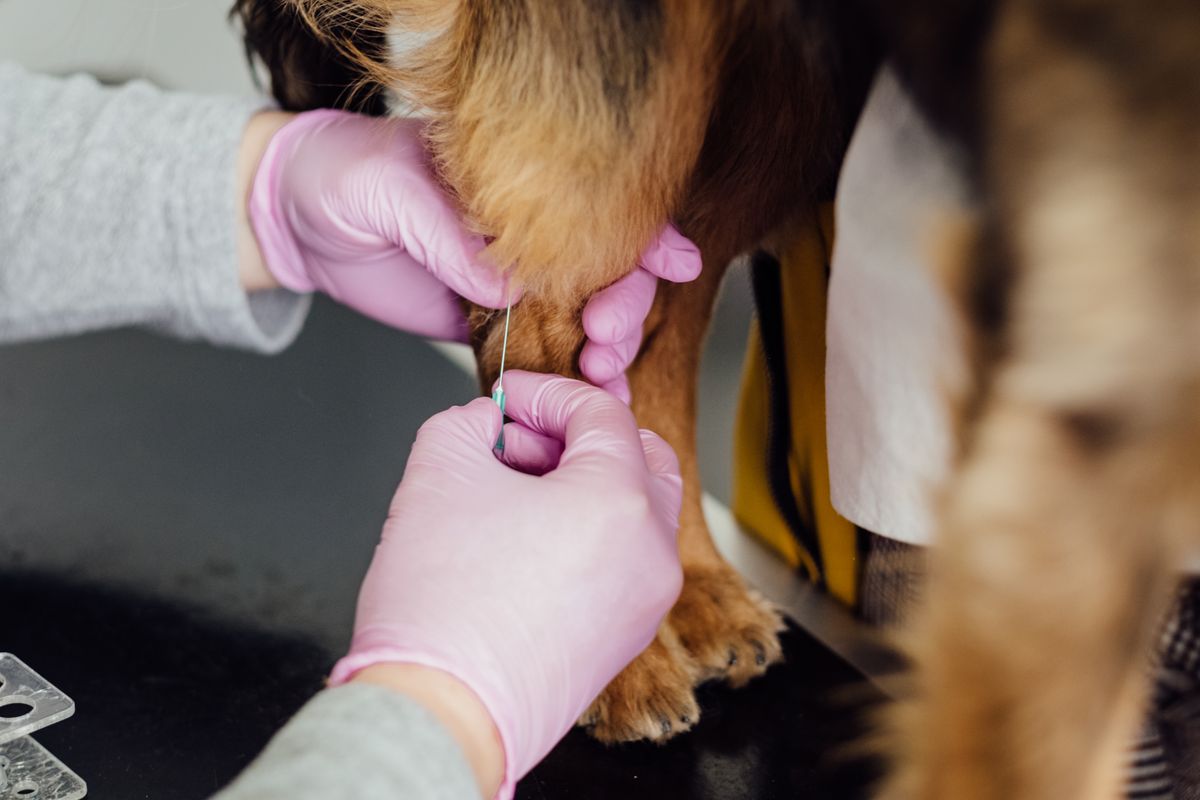
The general schedule
Puppies usually receive their first dose at 6 to 8 weeks of age, with boosters every 3 to 4 weeks. The 5-in-1 vaccine is given as 3 doses in weeks 8, 12 and 16, and rabies as 2 doses in weeks 14 and 18. After that, annual boosters follow your veterinarian's advice. The exact schedule can vary with each dog's health and history.
Worth knowing
A vaccine does not guarantee 100 percent that a dog will never contract the disease, but the evidence shows it significantly reduces both the severity of disease and the risk of infection.
At Hug & Heal we keep a vaccination schedule tracking system so owners can plan ahead, along with individual advice based on each dog's lifestyle.
Frequently asked questions
Q: I missed a booster appointment. Does the whole course have to start again?
A: It depends on how overdue it is and on the previous vaccination history. It can be divided by stage. In the early puppy period, under 6 months of age, being more than 2 weeks overdue means starting again. For annual boosters, more than 1 year overdue in dogs, or more than 2 years in cats, means restarting should be considered. Ask your veterinarian to assess your case.
Q: Does a dog that rarely goes outside still need vaccinating?
A: Yes. Even a dog that never leaves the house is still at risk of picking up infection through several routes. Owners themselves can carry it in, for example parvovirus or distemper, which survive in the environment for a long time. Other animals may slip in unnoticed, such as rats carrying leptospirosis. There are also emergencies where a pet gets out. And the law itself requires rabies vaccination regardless of how a pet is kept.