


Why Green Space and Gardens Matter to a Pet's Mental Health
Environmental enrichment means arranging a space so animals can use their natural instincts, like sniffing and exploring. Research supports that it lowers stress and unwanted behaviour.

Short answer: Green space helps a pet's mental health through environmental enrichment, which means arranging a space so animals can use their natural instincts, such as sniffing and exploring. Research supports that this lowers stress and unwanted behaviour.
Thinking about pet health today is not limited to the body. It also covers mental health and overall quality of life, and the surrounding space plays a bigger part in that than many people realise.
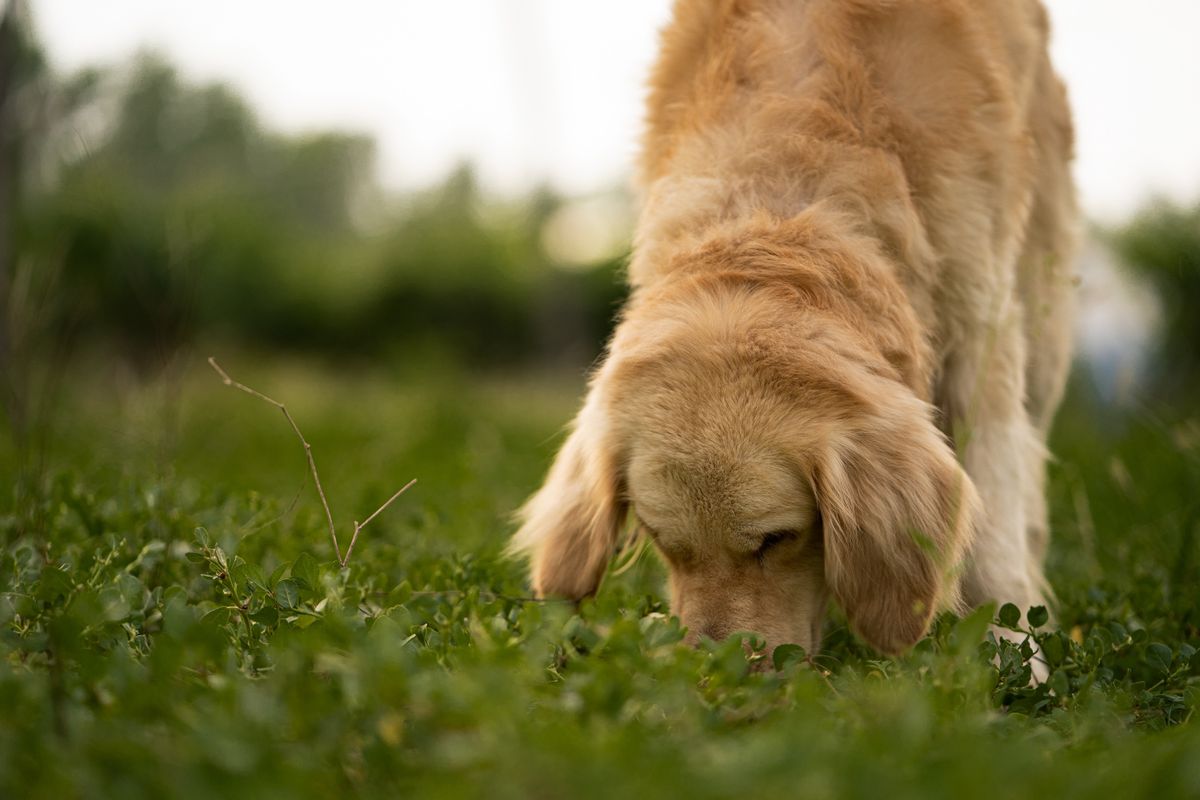
What environmental enrichment means
In veterinary medicine and animal behaviour there is an idea called environmental enrichment. It means arranging a space so animals can use their senses and natural instincts, such as sniffing, exploring and moving freely. Research supports that it lowers stress and unwanted behaviour in pets.
What happens when space is restricted
Pets kept in a small space for long periods tend to show signs of built-up stress, such as unusual amounts of barking or howling, destructive behaviour, or in cats, over grooming.

Why natural outdoor space helps
Contact with the ground, with grass and with natural sunlight encourages instinctive behaviour that is good for both body and mind. Moving around in a wide space is also good for muscles and joints over the long term.
Why this matters at a pet hospital
A pet hospital with enough green space can build activities that support mental wellbeing alongside medical treatment. That is especially true for daycare, which is about looking after body and mind together.
At Hug & Heal we have the largest garden in the Ratchaphruek area, designed specifically around environmental enrichment, so dogs in our daycare get safe contact with nature every day.
Frequently asked questions
Q: What is environmental enrichment?
A: It is the idea of arranging a space so animals can use their natural instincts, such as exploring and sniffing, which lowers stress and supports good mental health.
Q: What are the risks for a pet kept in a small space all the time?
A: They tend to show built-up stress, such as destructive behaviour or unusual amounts of barking and howling. Having room to move properly therefore matters.