


Sugar Gliders: The Basics of Care and Feeding
Sugar gliders need a varied, protein led diet. They are social animals best kept in pairs or groups, and they need a cage tall enough to climb and glide in.
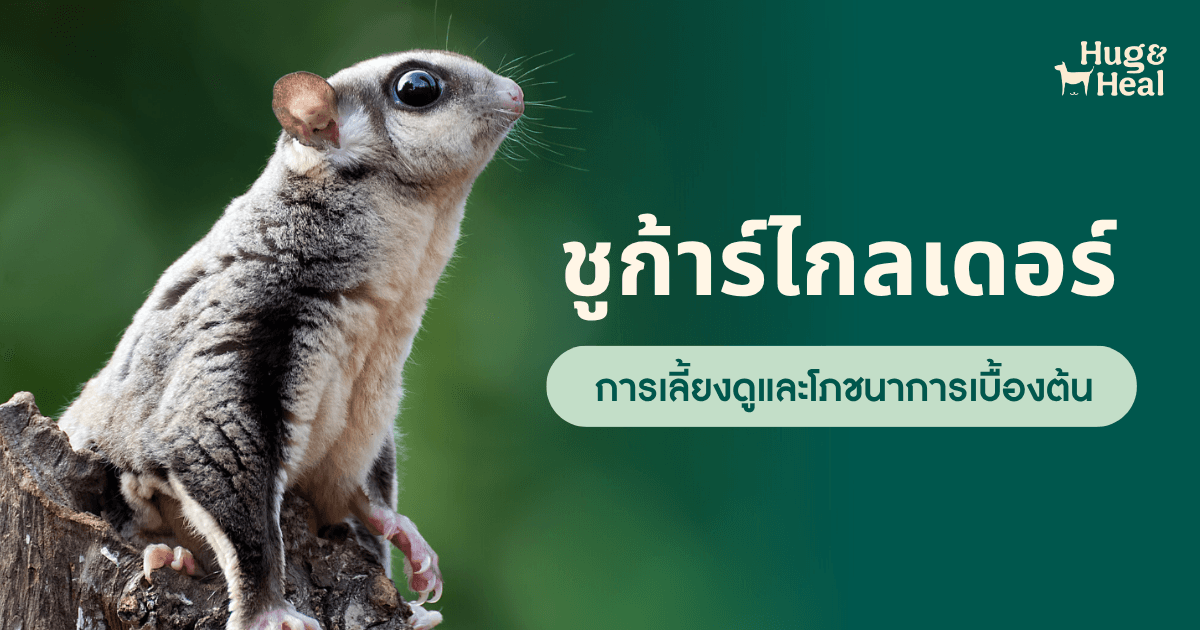
Short answer: Sugar gliders need a varied diet led by protein. They are social animals and are best kept in pairs or groups, and they need a cage tall enough to jump and glide in. Kept alone for a long time, they can build up stress.
Sugar gliders are nocturnal, with specialist needs quite different from those of ordinary pets.
The right diet
Sugar gliders need variety: protein sources such as insects bred specifically as animal feed, along with vegetables, fruit, tree sap and bee pollen in sensible proportions. A diet without enough variety can lead to shortages of particular nutrients.
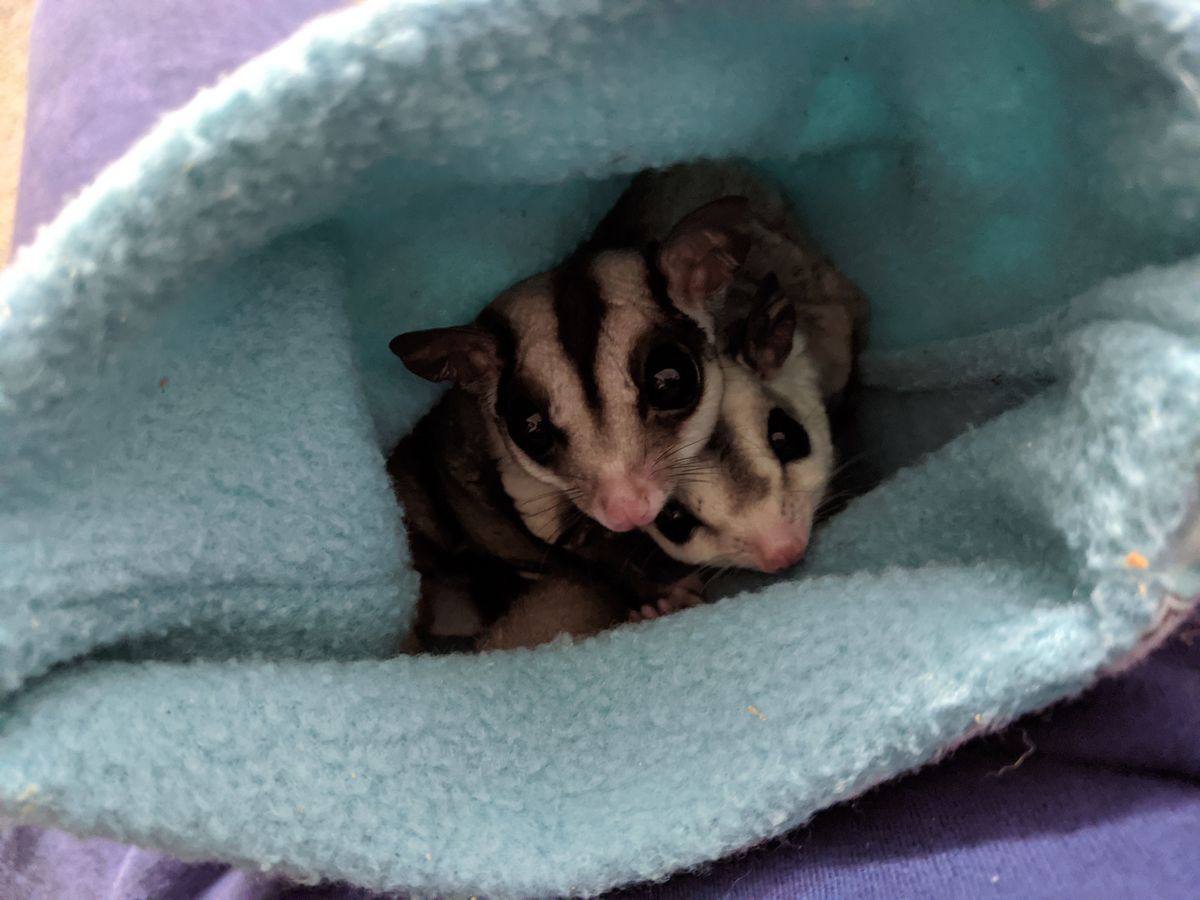
They are social animals
In the wild sugar gliders live in groups. Keeping one on its own for a long time can cause stress and abnormal behaviour, such as self biting.
The right environment
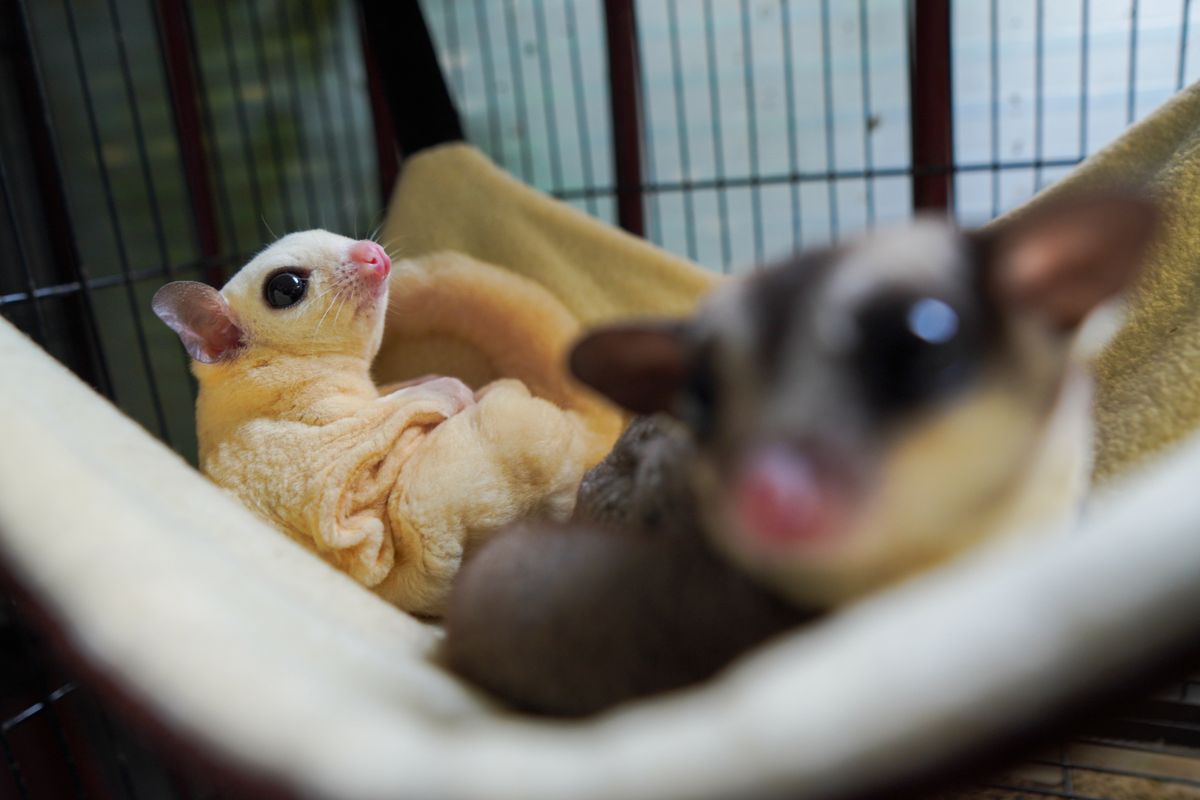
They need a cage tall enough for climbing and gliding, with branches and a variety of things to climb on, since they move mainly up and down rather than across.
At Hug & Heal we have vets who understand exotic pets, sugar gliders included, for advice on diet and on setting the enclosure up properly.
Frequently asked questions
Q: Can a sugar glider be kept on its own?
A: If kept alone, it needs particularly close attention from its owner.
Q: Can sugar gliders eat any kind of fruit?
A: No. Ask a vet which kinds to use and in what proportion, alongside their protein sources.