


Hamsters and Small Rodents: Hygiene and the Right Diet
Hamsters should mainly eat pellets made for them. Skip fresh food, because they hoard it until it spoils. They need something to gnaw on, and the cage needs regular cleaning to stop ammonia building up.

Short answer: Hamsters should mainly eat pellets made specifically for hamsters. Avoid fresh food, because hamsters hoard food to eat later, which risks them eating it once it has spoiled, and storing it in their cheek pouches until it rots and causes infection. If you do give fruit or vegetables, choose dried ones so they cannot spoil. Provide something to gnaw on, since the teeth grow throughout life, and clean the cage regularly so ammonia does not build up.
Hamsters and small rodents are easy pets in many ways, but there are particular things to watch.
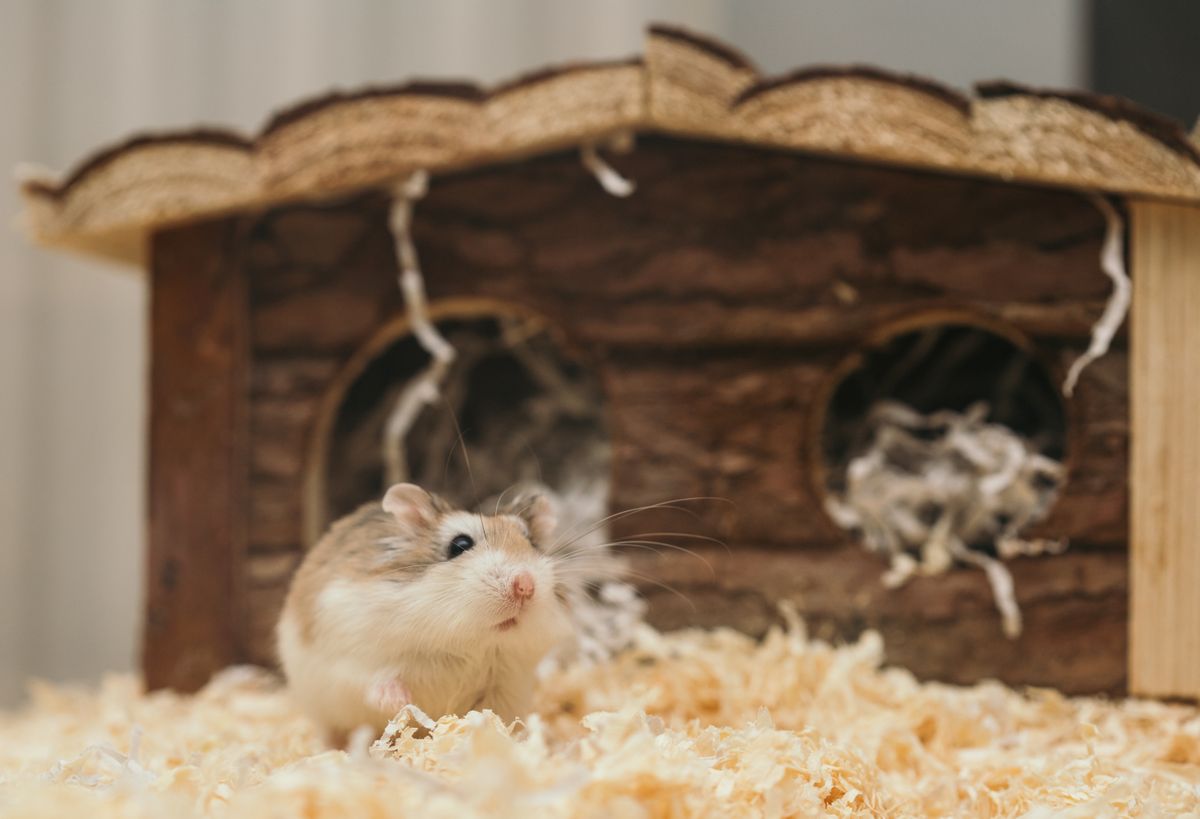
The right diet
Pellets made specifically for hamsters should be the staple. Avoid food that is too high in sugar or fat, since some hamster breeds are prone to diabetes.
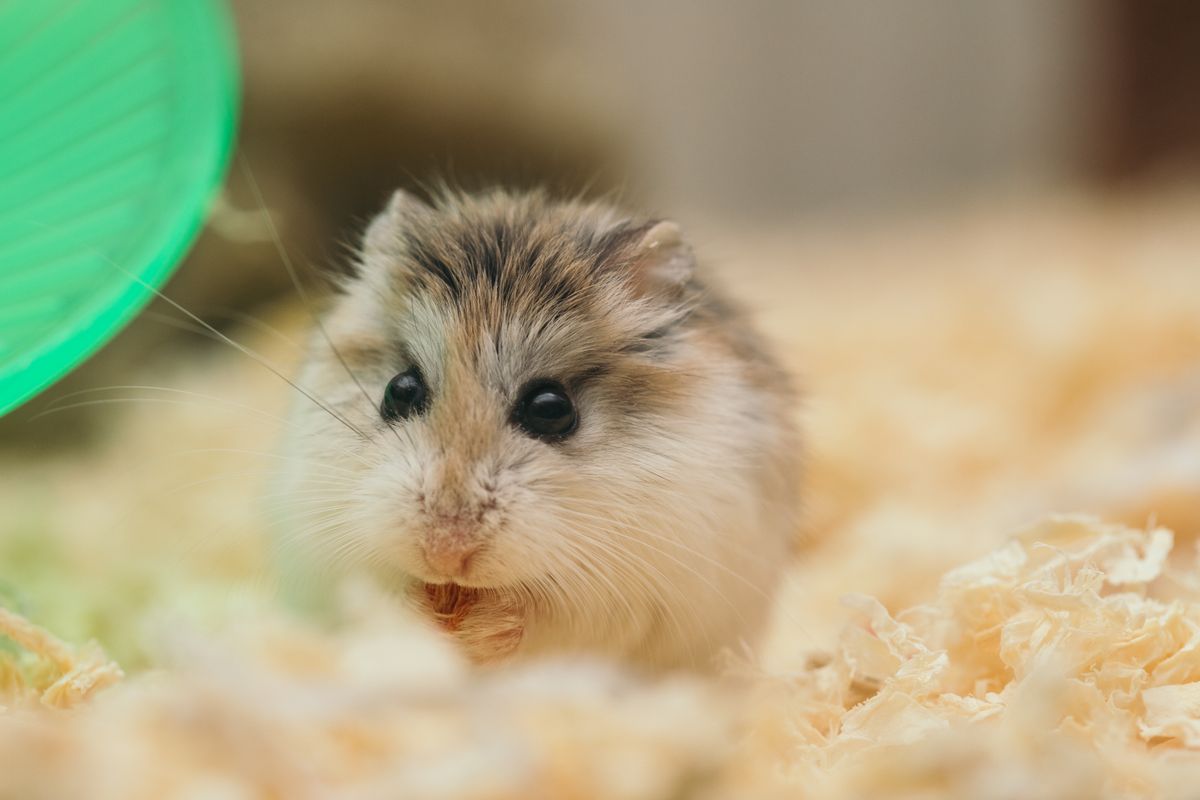
Keeping the cage clean
Clean the cage regularly. Hamsters are sensitive to the ammonia that builds up from urine, which can affect the respiratory system if the cage is left dirty for a long time. Choose bedding that is safe and not too dusty.
Teeth that never stop growing
Rodents have teeth that grow throughout their lives, the front teeth especially, so they need something to gnaw on to wear them down naturally. Teeth left to grow too long or out of line can affect eating and general mouth health.
Signs worth watching for
Rapid weight loss, patchy hair loss, or moving noticeably more slowly are all signs to have checked by a vet. Small animals tend to go downhill faster than larger ones once they are ill.
At Hug & Heal we offer health checks for exotic pets, hamsters and small rodents included, with vets who understand them specifically.
Frequently asked questions
Q: Do hamsters need something to gnaw on all the time?
A: They should always have access to something to gnaw. A hamster's teeth grow for life and need wearing down steadily.
Q: How does a dirty cage affect a hamster's health?
A: It can lead to a build up of ammonia, which affects the respiratory system. Clean the cage regularly.