


Taking an Exotic Pet to the Vet for the First Time
Choose a vet with the right specialist experience, write down the diet and the enclosure's temperature and humidity, and travel in a carrier that keeps conditions close to normal.

Short answer: You can call ahead to talk through how to prepare, or to describe what you have noticed, so the vet can advise you on getting ready properly.
Taking an exotic pet to the vet for the first time can leave owners unsure how to prepare, since these animals have specialist needs.
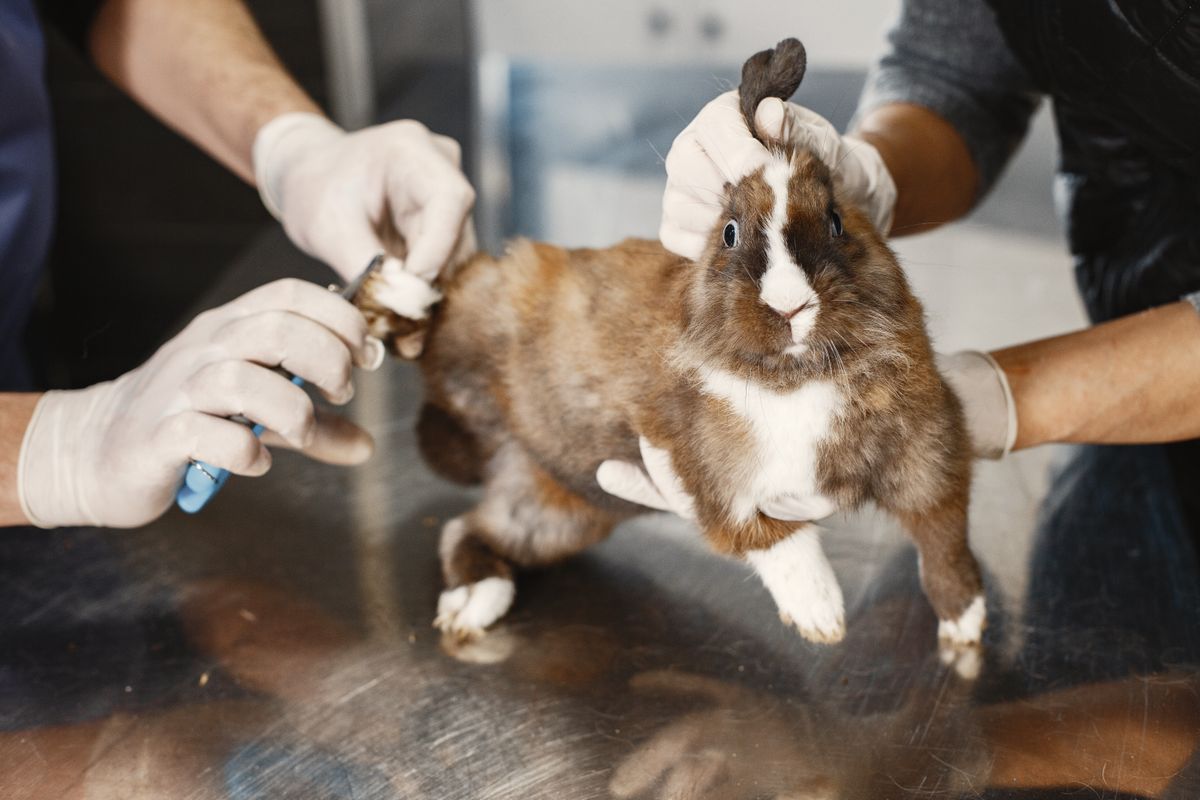
Choose a vet with the right expertise
Exotic pets have physiology and normal values that differ a great deal from those of dogs and cats. Choosing a hospital with vets who specialise in them matters for getting the assessment right.
The information worth bringing
Write down what you feed and how much, the temperature and humidity in the enclosure, how long you have had the animal, and any changes in behaviour you have noticed. All of it helps the vet assess more accurately.
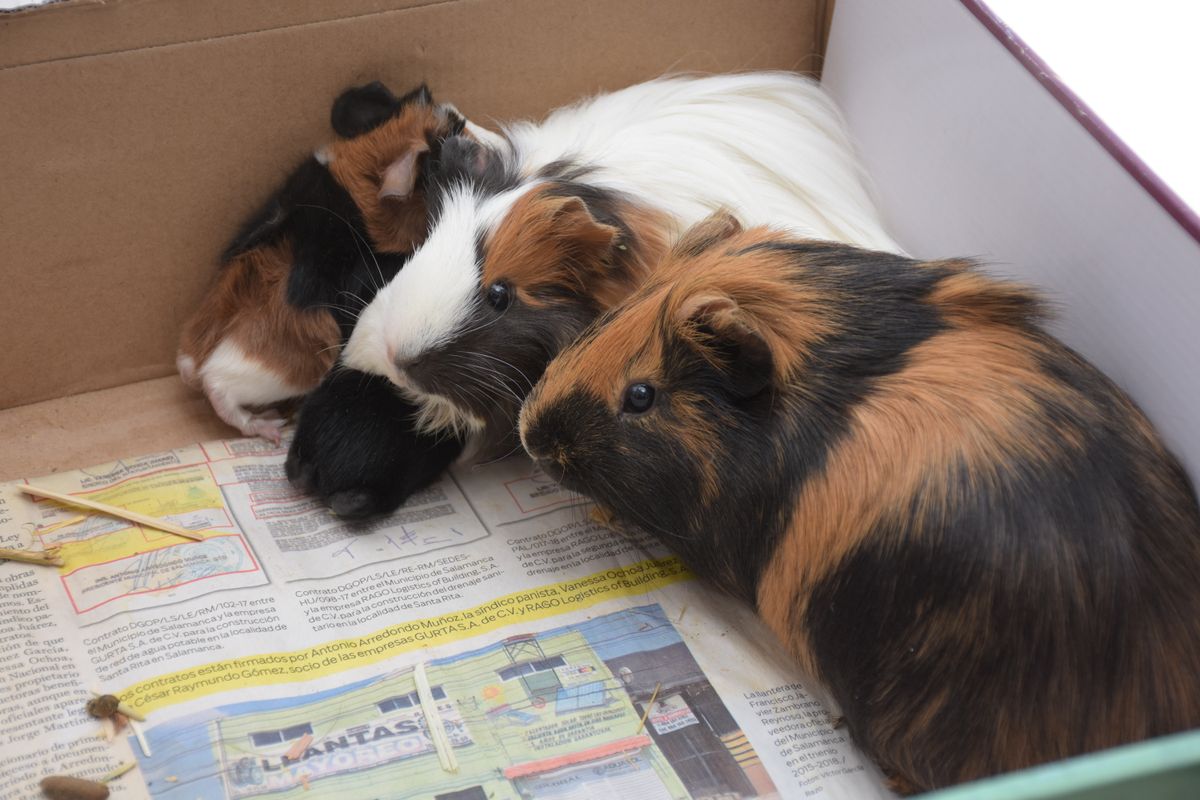
Travelling safely
Use a carrier suited to the species, and keep the temperature as close as possible to the animal's normal conditions during the journey. This matters especially for cold blooded animals, which are sensitive to temperature change.
At Hug & Heal we have vets who specialise in exotic pets, with examination areas designed for each kind of animal.
Frequently asked questions
Q: How often does an exotic pet need a health check?
A: It depends on the species and the age. Talk to a specialist vet to plan a schedule that suits your animal.
Q: Why choose a vet who specialises in exotic pets?
A: Because their normal body values and their response to treatment differ greatly from dogs and cats. That specialist experience makes the assessment more accurate.