


Hairballs in Cats: Causes and How to Prevent Them
Hairballs in cats come from grooming and swallowing loose fur that builds up in the stomach. An occasional one is normal, but frequent hairballs, eating less, or constipation need a check.

Quick answer: Hairballs in cats come from grooming and swallowing loose fur, which builds up in the stomach. Coughing one up now and then is normal. But if it happens more often, or your cat eats less or is constipated, get it checked. Regular brushing helps reduce the amount of fur your cat swallows.
Cats keep themselves clean by grooming regularly, which is where the hairballs that build up in the digestive tract come from.
What Causes Hairballs
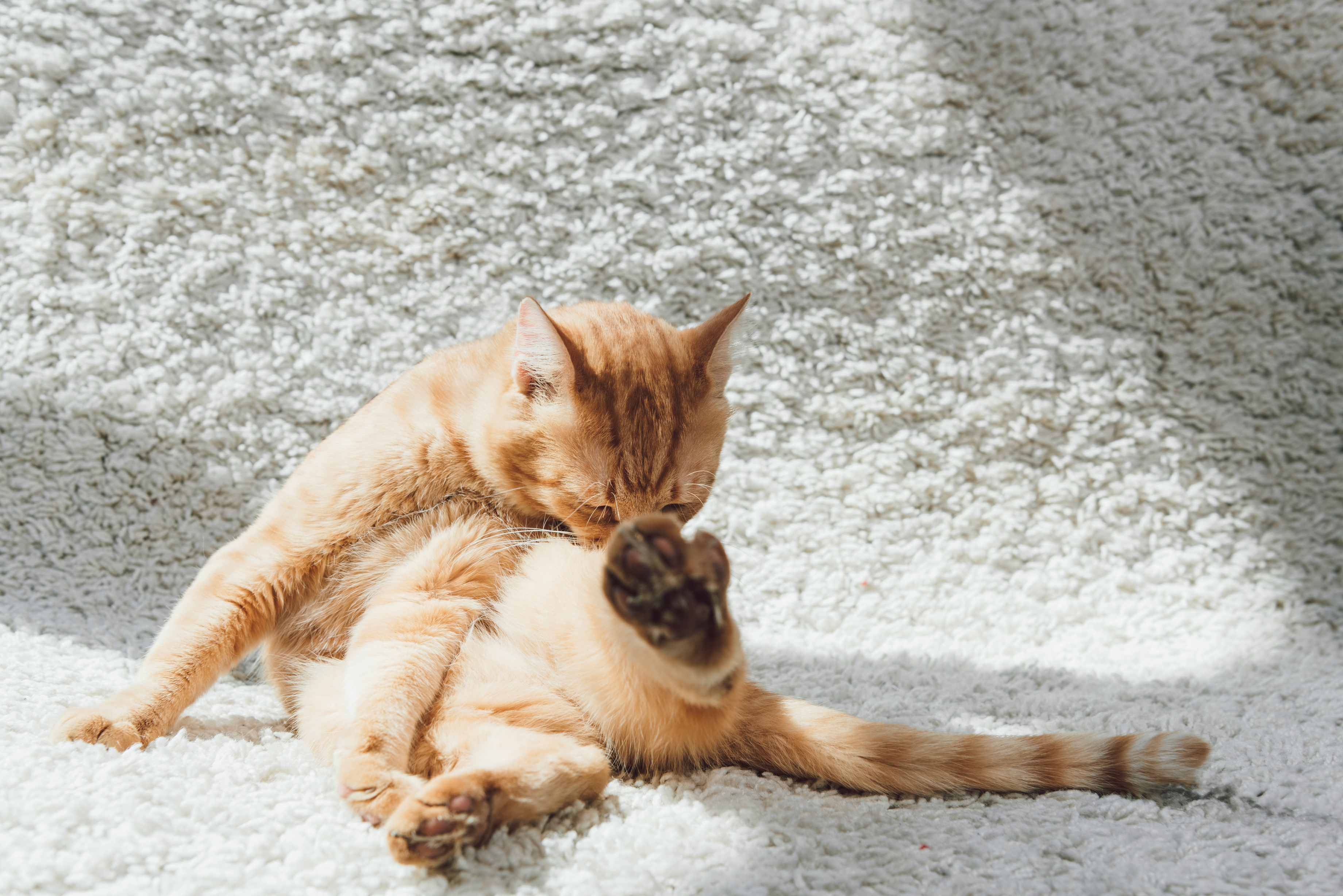
When a cat grooms itself, its tongue normally has tiny spine-like bumps that help clean the fur. Loose fur is swallowed and builds up in the stomach. Normally the body passes it out by coughing it up or along with the stool.
When It Is Not Normal
If your cat coughs up hairballs more often than usual, loses its appetite, vomits frequently, is constipated, or seems dull, it may mean too much fur has built up and blocked the digestive tract, which should be checked.
How to Prevent It
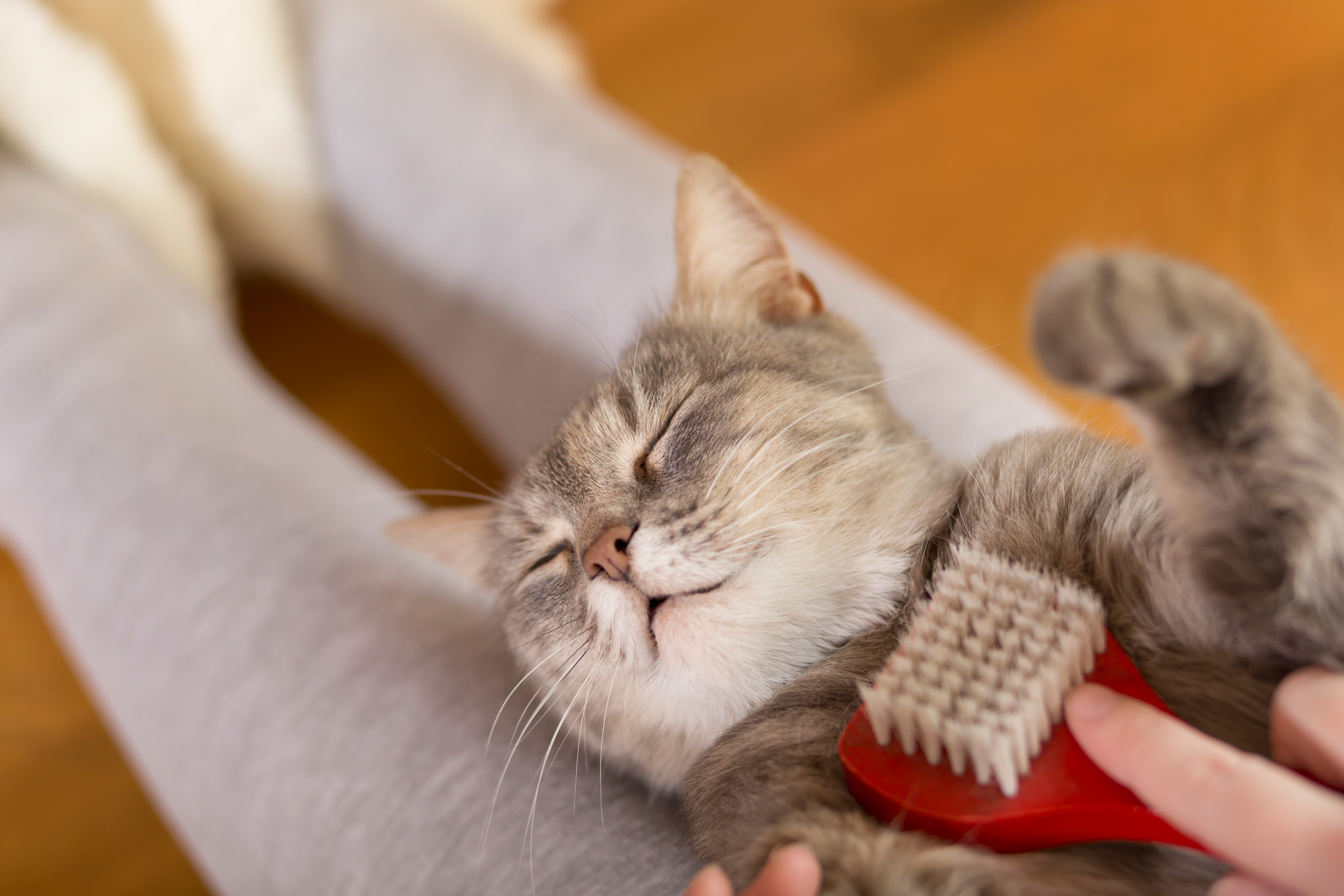
Brushing your cat regularly reduces the amount of loose fur that gets swallowed, especially for long-haired cats, which are at higher risk than short-haired cats.
Our vet suggests watching how often your cat coughs up hairballs. If it clearly changes from before, come in. At Hug & Heal our vet team is ready to assess and give advice for each individual cat.
Frequently Asked Questions
Q: Is it abnormal if my cat coughs up a hairball every day? A: Every day is abnormal and should be checked, because it may be linked to too much fur building up in the digestive tract, and you may also notice thinning fur on the body.
Q: Can short-haired cats get hairballs? A: Yes. It is less common than in long-haired cats, but short-haired cats can get hairballs too.
This article is for general pet care knowledge only. It is not a substitute for a diagnosis or advice from a veterinarian. If your cat shows unusual signs or has a health condition, please see a vet for a direct check.