


How Stress (Feline Stress) Affects a Cat's Health
A stressed cat may hide, over-groom until its fur thins, pee outside the box, or act aggressive when it never did before. A safe space and enough litter boxes help reduce stress.

Quick answer: A stressed cat often hides, or may over-groom until the fur thins out, pee outside the litter box, or pee abnormally. Some cats become more aggressive when they never were before. Giving your cat a safe space at home, a suitable environment, and enough litter boxes can help reduce stress.
Cats are more sensitive to changes in their environment than many people think, and long-term stress really can affect their physical health.
Signs of Stress
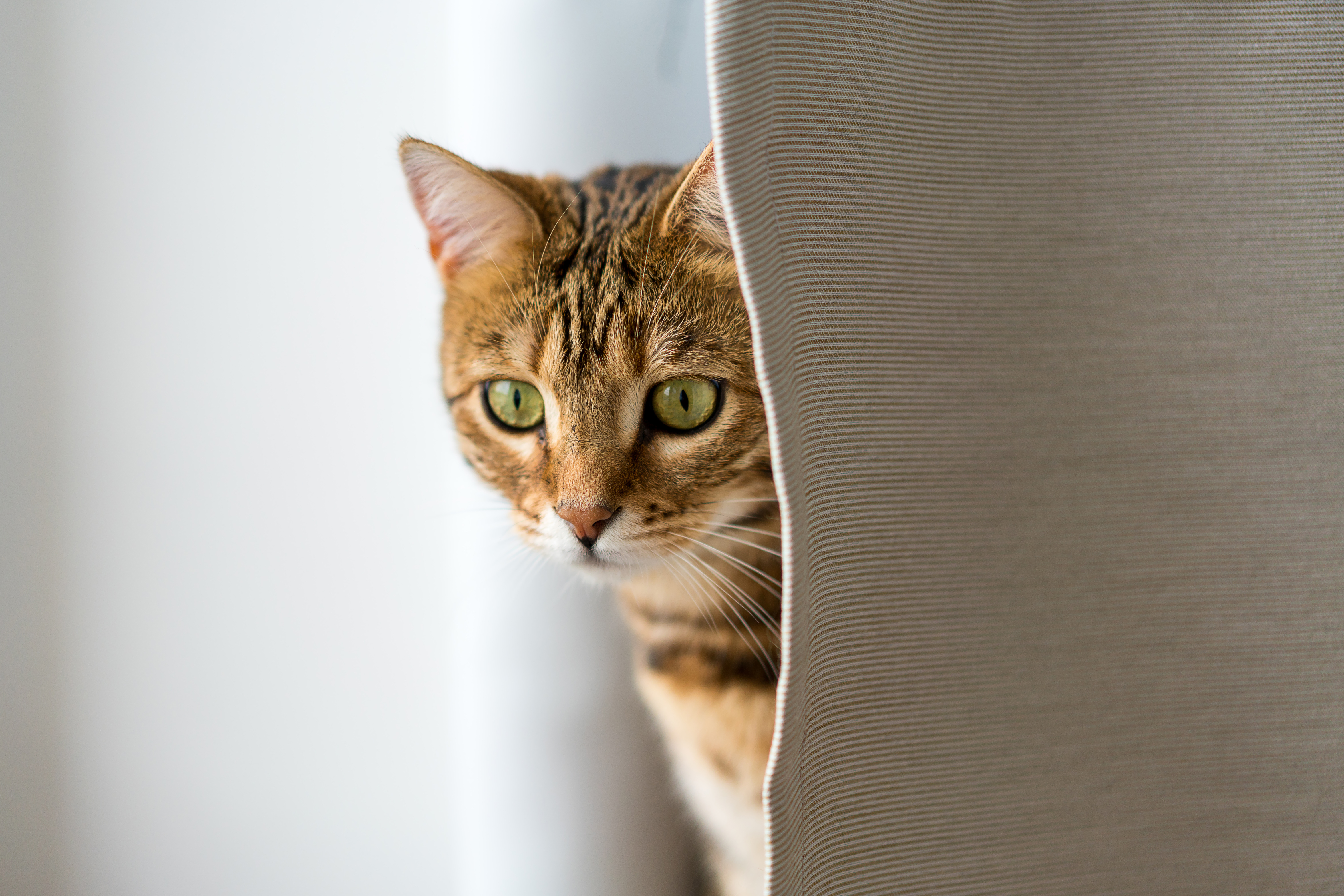
A stressed cat often hides, or may over-groom until the fur on its body thins out, pee outside the litter box, pee abnormally, or eliminate in the wrong place. Some cats become more aggressive even though they never were before.
The Link to Physical Health
Veterinary research shows that long-term stress in cats is linked to a condition called Feline Idiopathic Cystitis, an inflammation of the bladder with no infection involved, where stress and environmental factors play an important role.
Common Causes
Changes in the environment, such as moving house, a new pet, or a change in the owner's daily routine, can all trigger stress in cats.
How to Reduce Stress
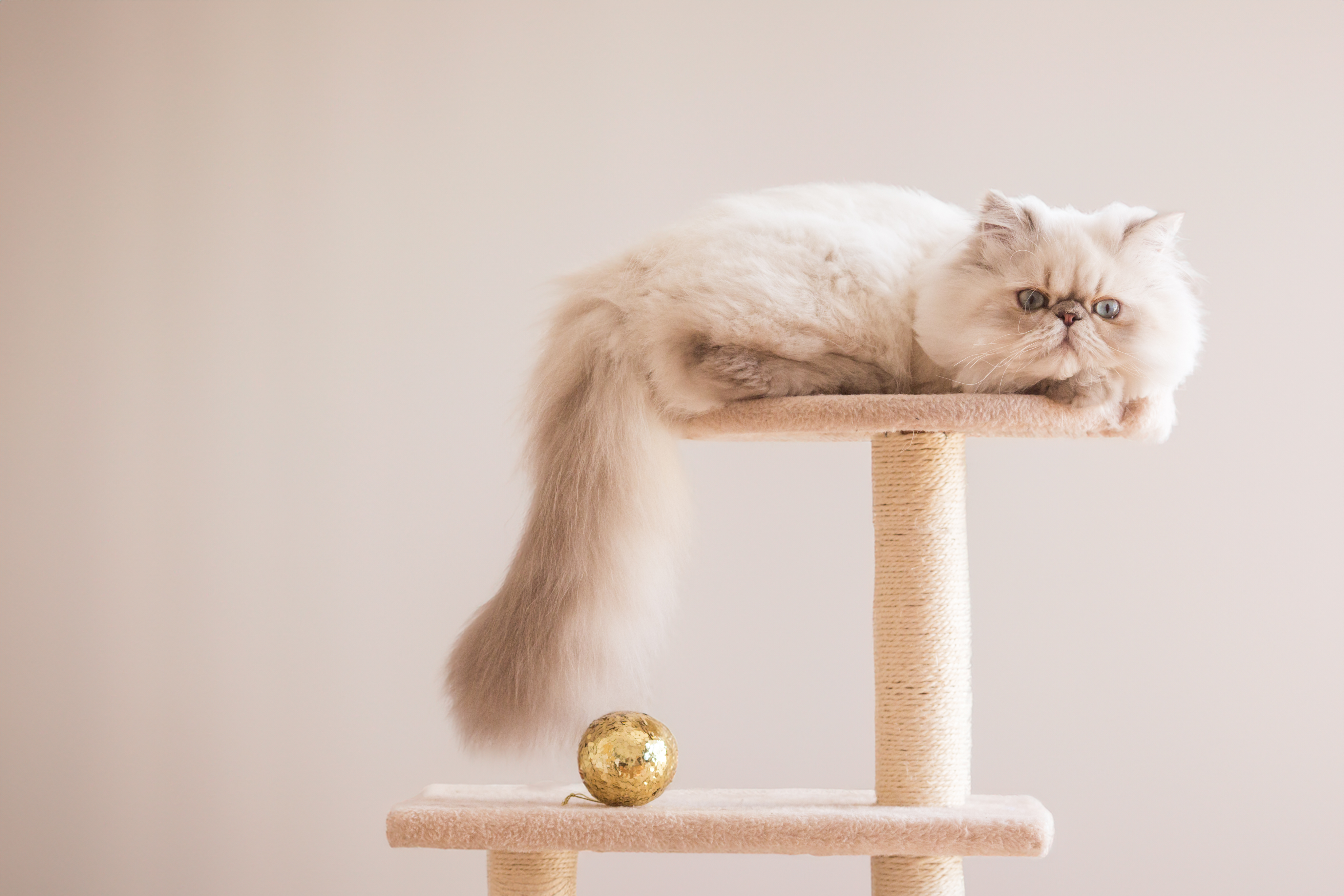
Set up the environment so your cat has its own safe space, a scratching post, high places to climb, and enough litter boxes for the number of cats at home. The usual advice is that the number of litter boxes should equal the number of cats plus one.
If you notice your cat's behavior keeps changing, our vet suggests a check to tell whether it is a physical or a behavioral problem. At Hug & Heal we have a team that can assess both sides together, with a zone that keeps cats away from other animals so they can be treated calmly without extra stress.
Frequently Asked Questions
Q: Can a cat really pee outside the box because of stress? A: It is possible. If the urine color is still normal and the cat still passes a large clump with no blood, you should still get it checked to be sure whether it is stress, bladder inflammation, or an infection as well.
Q: Can moving house stress a cat? A: Yes. A change of environment is one of the most common stress triggers in cats.
This article is for general pet care knowledge only. It is not a substitute for a diagnosis or advice from a veterinarian. If your cat shows unusual signs or has a health condition, please see a vet for a direct check.