


4 Cat Behaviors That May Signal a Health Problem
Cats are experts at hiding illness, so owners often notice late. Here are 4 behaviors to watch: hiding, eating and drinking, litter box use, and grooming. If any looks off for more than 24 hours, take your cat for a check.

Quick answer: Watch for these cat behaviors: hiding more than usual, a clear change in eating or drinking, straining to pee or peeing outside the litter box, and grooming much more than normal. If any of these last more than 24 hours, take your cat for a check.
Cats have a strong instinct to hide illness, so owners often notice a problem later than with other animals. This is why understanding your cat's normal behavior matters so much.
1. Hiding More Than Usual
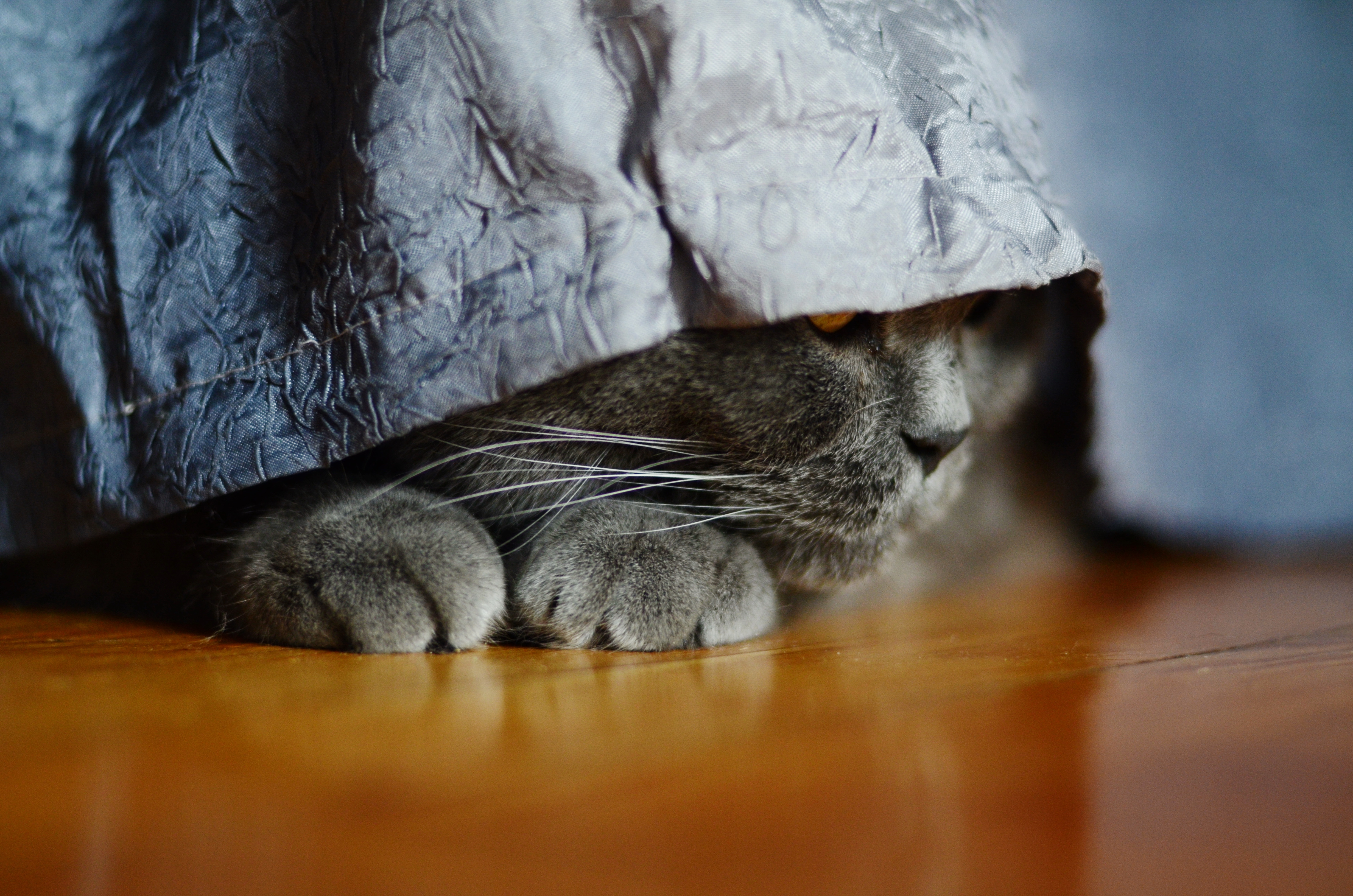
A cat that is usually social but starts hiding more often may be feeling unwell, especially if this goes on for several days.
2. Changes in Eating and Drinking
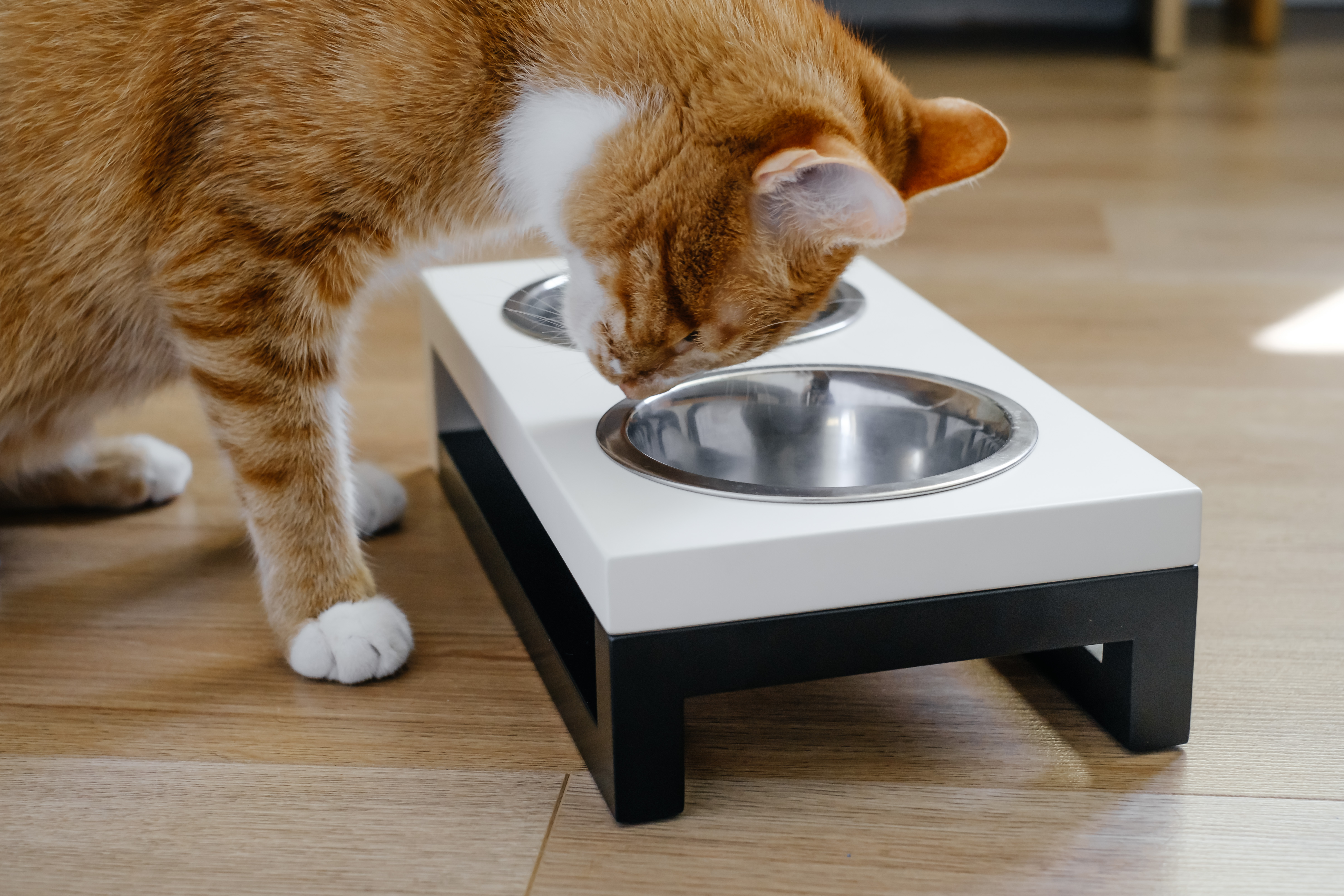
If a cat eats less than normal for more than 24 hours, or drinks much more than usual, it should be checked. This can be linked to kidney problems or other hormonal conditions that are common in cats.
3. Litter Box Habits
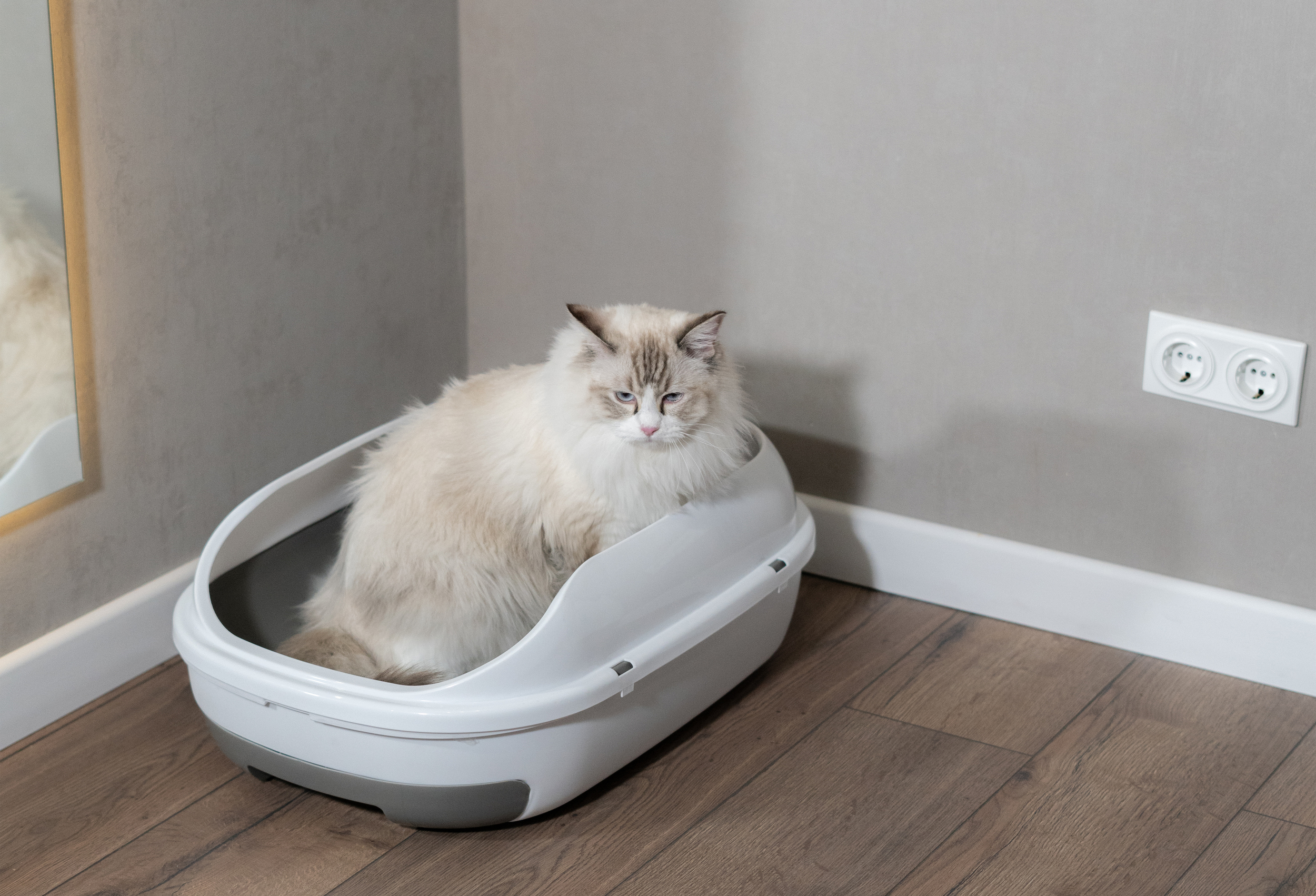
If your cat strains to pee for a long time, pees often but only a little, has an unusual urine color or blood in the urine, or pees outside the box when it never did before, take it to the vet quickly. This can involve the urinary tract, which needs special care in cats.
4. Grooming and Licking
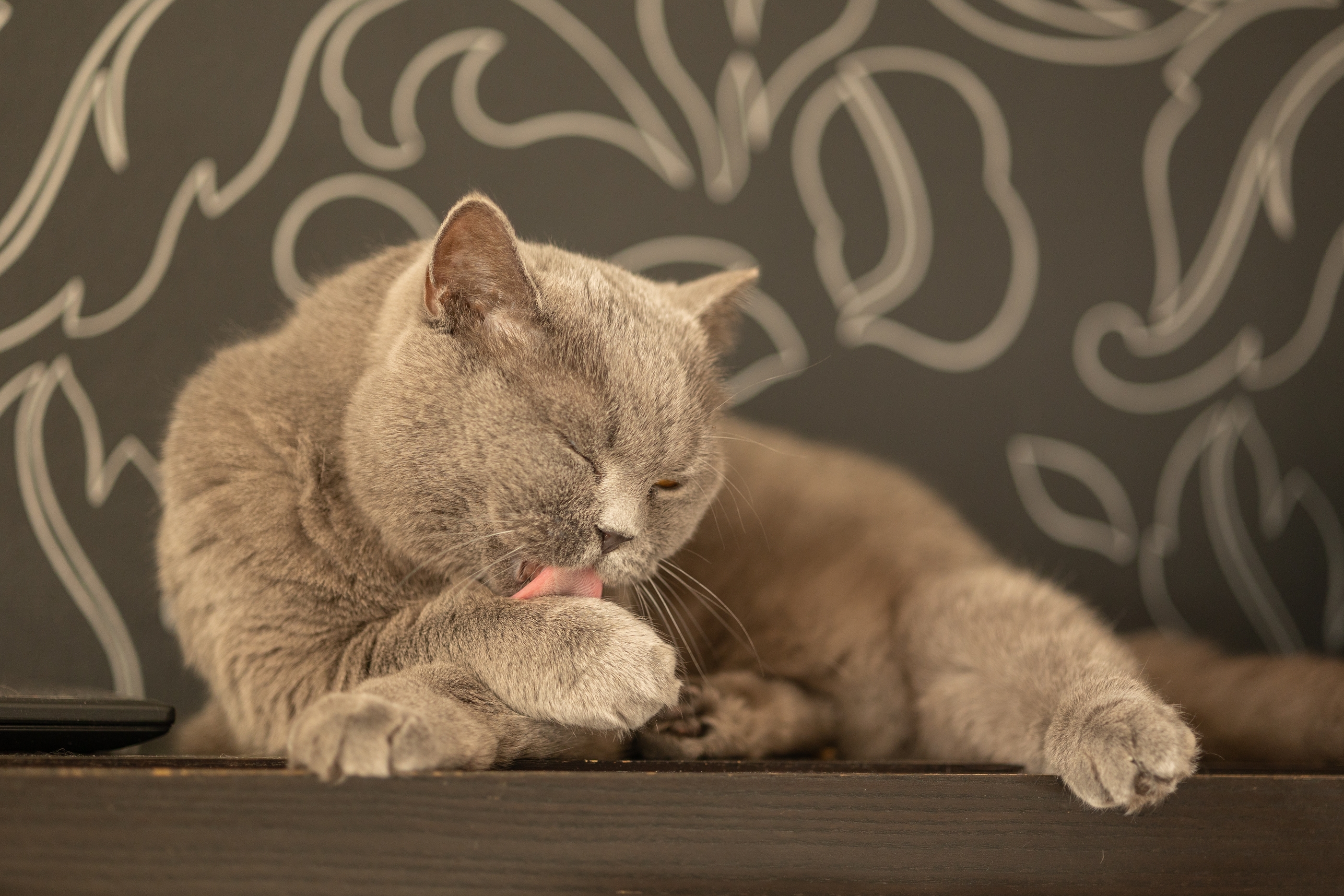
A cat that grooms less until its fur gets matted, or licks one spot much more than usual, or has thinning fur in one area, may be in pain or discomfort, or may be hiding stress.
Our vet suggests watching your cat's daily routine closely, because small changes are often important clues. At Hug & Heal we have a dedicated zone for cats, with a vet team that understands cat behavior.
Frequently Asked Questions
Q: How many days without food is dangerous for a cat? A: If your cat does not eat for more than 24 hours, bring it in for a check. Cats can develop liver complications faster than other animals when they go without food for a long time.
Q: My cat is straining to pee but nothing comes out. Should I rush to the vet? A: Yes, see a vet right away. This can be an emergency linked to a urinary tract blockage, especially in male cats.
This article is for general pet care knowledge only. It is not a substitute for a diagnosis or advice from a veterinarian. If your cat shows unusual signs or has a health condition, please see a vet for a direct check.