


Kidney Disease in Cats: Risk Factors and Preventive Care
Chronic kidney disease is common in senior cats, but you can act early: make sure your cat drinks enough water, add wet food, and run blood and urine tests regularly from age 7 to catch changes at an early stage.

Quick answer: You can help prevent kidney disease in cats by making sure they drink enough water, adding wet food to meals, and doing blood and urine tests every 6 to 12 months from age 7 onward, so you can catch changes at an early stage.
Chronic kidney disease is one of the most common health problems in cats, especially older cats. Veterinary research shows that cats over 10 years old are more likely to show reduced kidney function.
Common Risk Factors
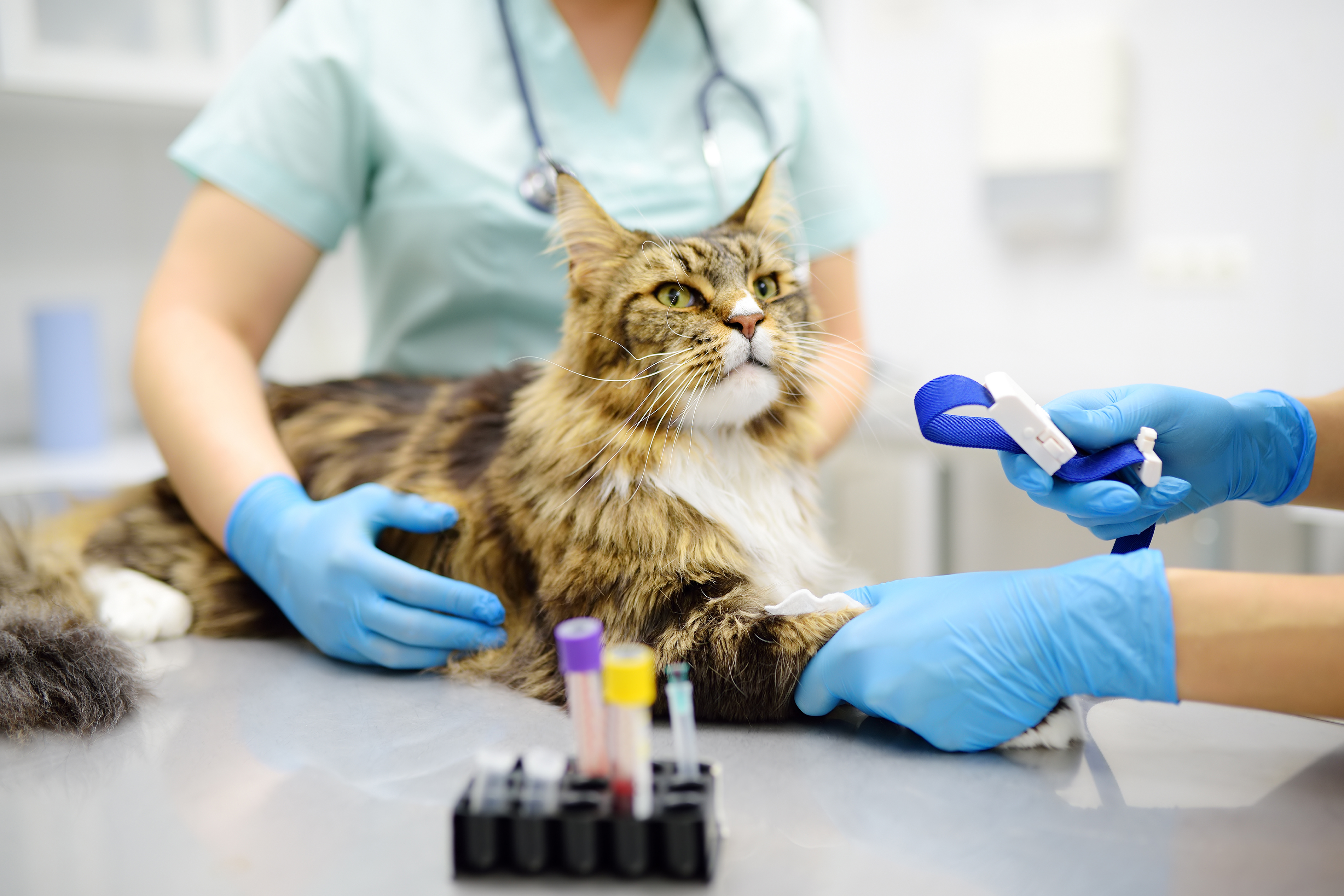
Older age is the main risk factor. There are also other factors, such as genetics in some breeds, long-term dehydration, drinking less water than normal, and urinary tract problems that are not cared for properly.
Signs to Watch For
Drinking more water, peeing more often, losing weight for no clear reason, and a rougher coat can all be signs linked to a change in kidney function. Blood and urine tests are still needed to confirm the real trend.
How to Help Prevent It
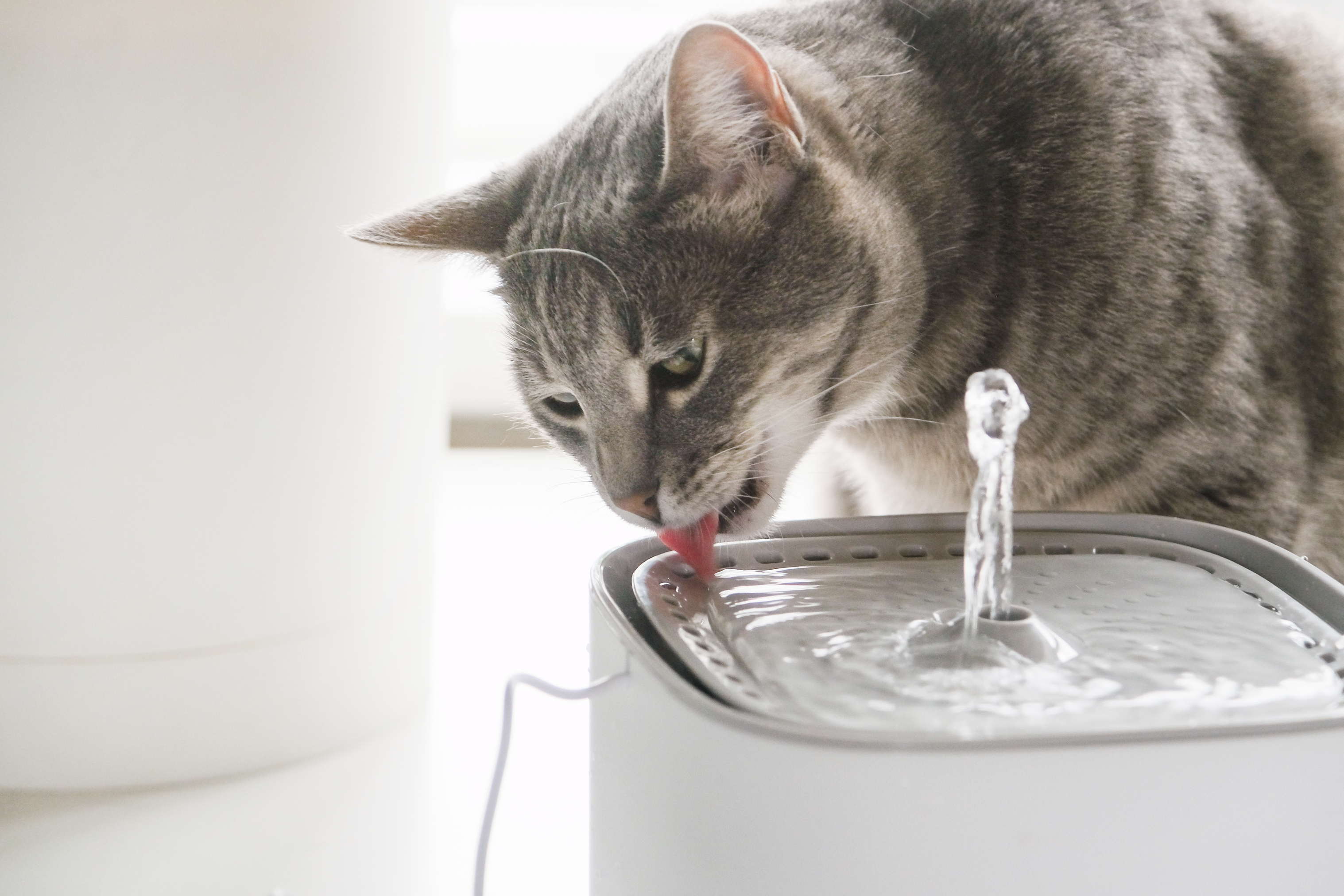
Making sure your cat drinks enough water is one of the most important things. You can use a cat water fountain to encourage drinking, or add wet food to increase water intake. A yearly health check, especially blood and urine tests for cats aged 7 and up, helps catch changes early, which matters for long-term care planning.
Our vet suggests that owners of senior cats consider a health check every 6 to 12 months. At Hug & Heal we have a senior cat health check program that covers kidney function in particular. You can ask our vets for more at @hugandheal.
Frequently Asked Questions
Q: At what age should I start checking my cat's kidney function? A: In general, start regular checks from age 7 onward, or earlier if there are added risk factors.
Q: Do cats that drink little water really have a higher risk of kidney disease? A: Yes. Drinking too little water can be a factor that raises the risk of harder kidney function. Encouraging your cat to drink more is the best way to help prevent it.
This article is for general pet care knowledge only. It is not a substitute for a diagnosis or advice from a veterinarian. If your cat shows unusual signs or has a health condition, please see a vet for a direct check.