


Spaying and Neutering Cats: Benefits and the Right Time
Spaying and neutering lowers the risk of uterine infection and mammary tumors in females, and reduces territorial spraying in males. Vets usually advise doing it around 6 months of age, before your cat reaches sexual maturity.

Quick answer: Spaying and neutering cats lowers the risk of uterine infection and mammary tumors in females, and reduces territorial spraying in males. In general, the surgery is recommended at around 6 months of age, or before the cat reaches sexual maturity.
Spaying and neutering is one of the preventive health care steps we recommend, especially for female cats.
Benefits Backed by Evidence
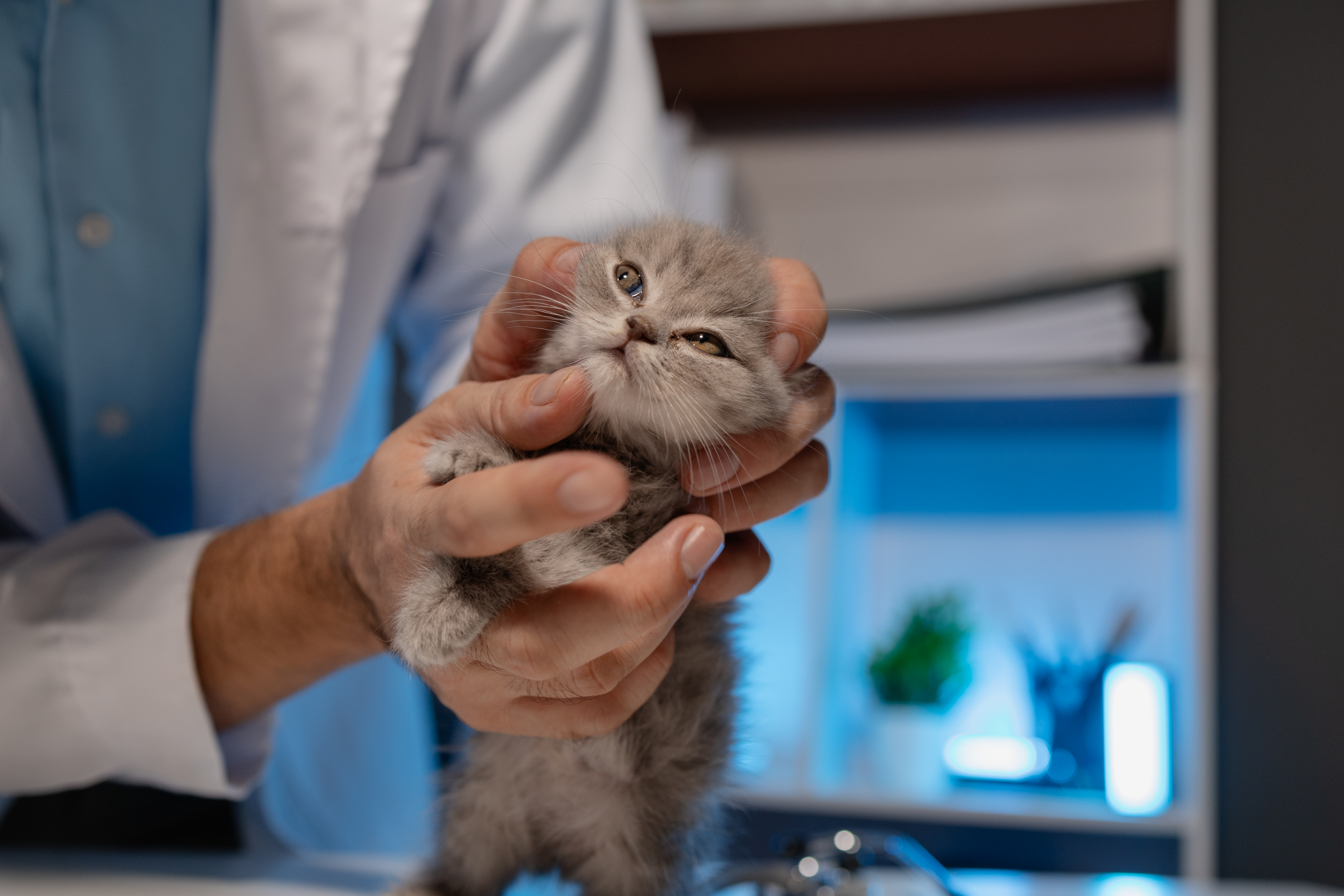
In female cats, spaying significantly lowers the risk of uterine infection and mammary tumors, especially if it is done before the first heat.
In male cats, neutering reduces territorial spraying and lowers the tendency to run away from home to find a mate. This helps reduce the risk of accidents the owner cannot control, and the chance of catching certain viruses that spread among cats.
The Right Timing
In general, vets recommend the surgery at around 6 months of age, before the cat reaches sexual maturity. The exact timing can differ based on each cat's health and body weight, so a vet should always assess readiness before surgery.
Preparing Before and After
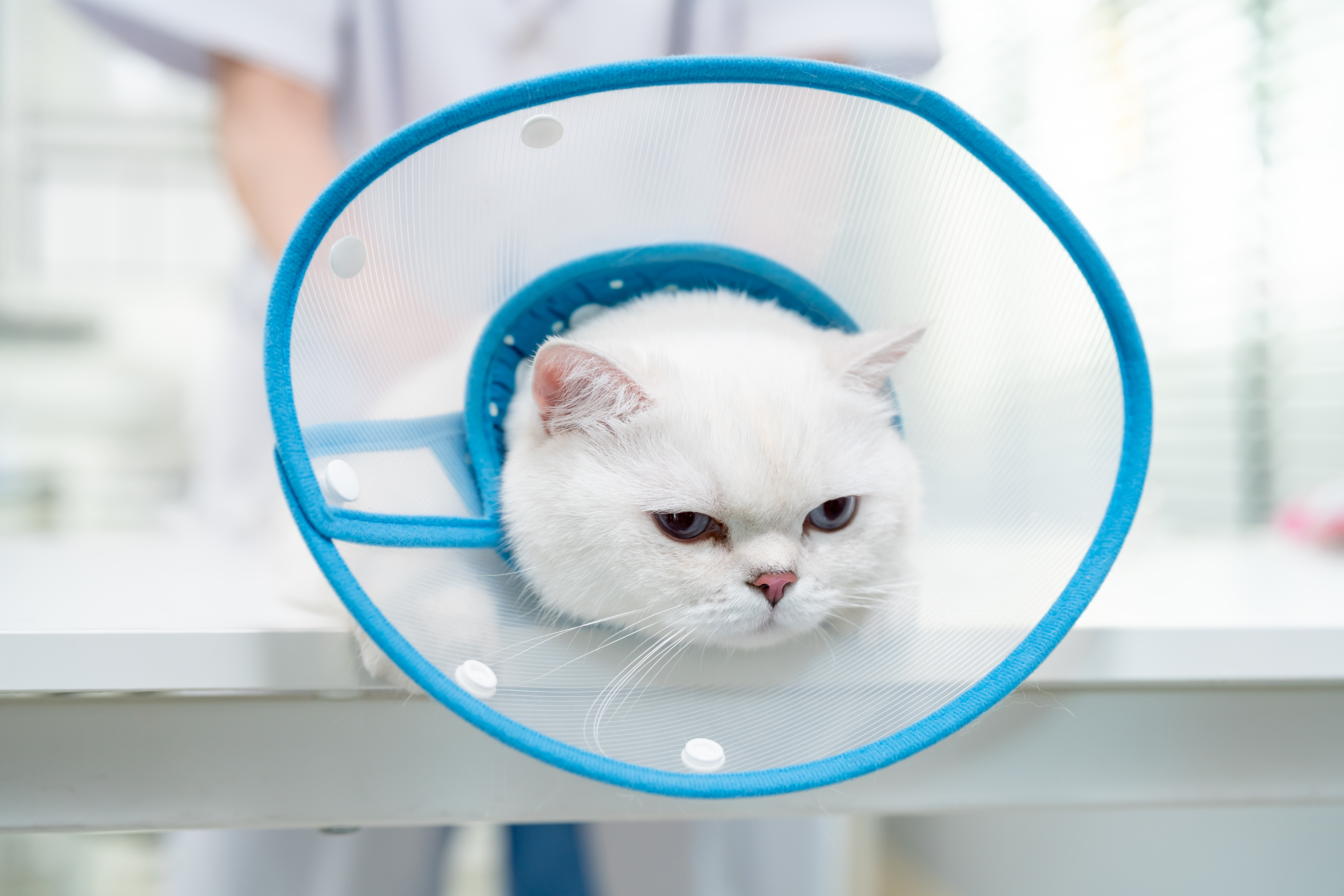
Before the surgery, a blood test is recommended, and for some breeds a heart check is advised to assess the risk of a hidden heart condition. Fast your cat for the time your vet advises before surgery. After surgery, limit movement during recovery and watch the wound closely for the first 7 to 10 days.
At Hug & Heal we offer spay and neuter services by our vet team, with an IPD (inpatient) option for cases that need close-care recovery, and a Day Care area for safe recovery.
Frequently Asked Questions
Q: Is spaying or neutering a cat dangerous? A: It is a routine procedure with low risk when done by a skilled team. A proper pre-surgery health check is always needed, including a blood test to prepare and to assess anesthesia risk before every operation.
Q: How do I care for the wound after the surgery? A: For female cats, limit their space, avoid jumping or too much movement, and do not let them lick the wound dressing or the wound. Bring them back to the vet for wound care on schedule. For male cats, use a collar to stop them licking the wound, be careful that litter does not get into the wound, and return for wound care on schedule.
This article is for general pet care knowledge only. It is not a substitute for a diagnosis or advice from a veterinarian. If your cat shows unusual signs or has a health condition, please see a vet for a direct check.