


Living With a Dachshund: Temperament and the Breed's Health Risks
Dachshunds are lively, clever and fairly stubborn. Their long back and short legs raise the risk of intervertebral disc disease. Weight control and avoiding jumps help lower it.
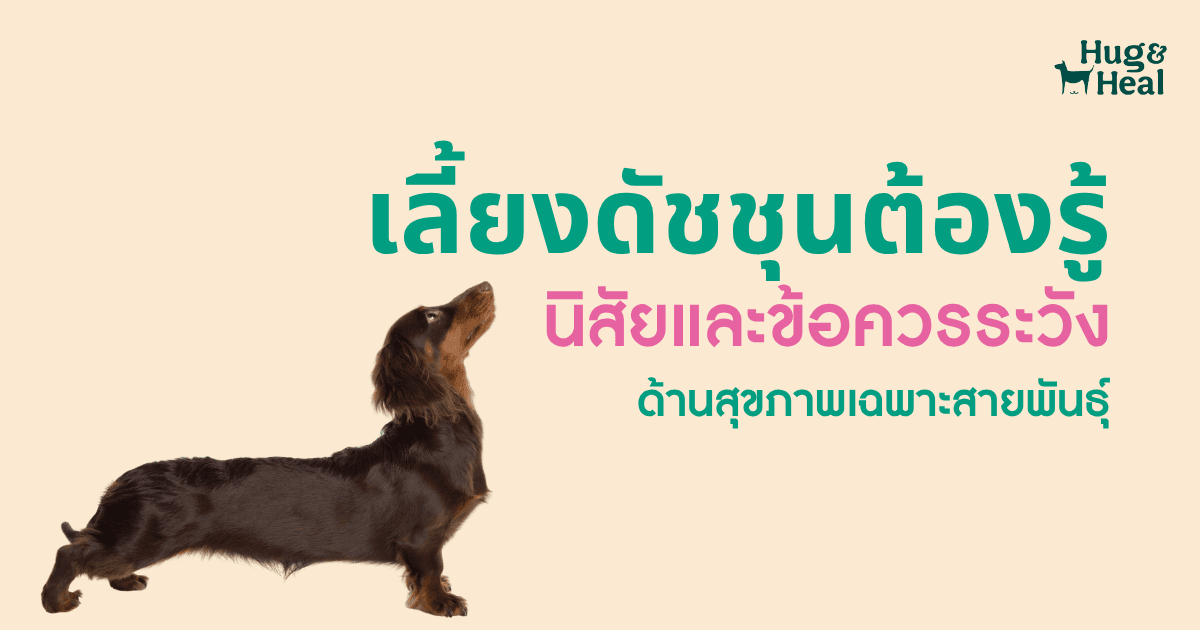
Short answer: Dachshunds are lively, clever and fairly stubborn. Their distinctive long body and short legs are a build that raises the risk of intervertebral disc disease, known as IVDD. Keeping their weight in range and avoiding frequent jumps up and down from height helps lower that risk.
The dachshund is one of the most distinctive breeds there is, in both shape and character, but there are things owners should understand particularly well.

Temperament and general character
Dachshunds are cheerful, playful and clever, but they are also known for being stubborn and quite independent. The breed was originally developed to hunt burrowing animals, which leaves them with strong instincts to dig and to follow a scent.
The back problem worth knowing about
The dachshund's long body and short legs are linked to a risk of intervertebral disc disease, or IVDD, which veterinary evidence shows is more common in this breed than in most. Signs to watch for are reluctance to move, an unusually arched back, or weakness in the back legs.

How to lower the risk
Keeping your dog's weight in a healthy range reduces the load on the spine. Using a ramp instead of letting them jump on and off furniture or in and out of the car, and lifting them properly by supporting the whole body, all reduce pressure on the back.
Other risks to be aware of
Beyond the back, dachshunds put on weight easily if their food is not measured sensibly, since they are a breed that rather likes eating. Plan their nutrition and exercise consistently.
Watch your dachshund's back closely, and bring them in straight away if you suspect something is wrong. With IVDD, the earlier it is found the better the chance of managing it in time. At Hug & Heal our vets can assess the spine and give breed specific advice.
Frequently asked questions
Q: Will every dachshund get IVDD?
A: Not every one, but the risk is higher than in most breeds because of their build, so preventive care matters.
Q: How should I pick up a dachshund safely for its back?
A: Support the whole body, holding the chest and the hips at the same time. Avoid lifting from under the front legs alone, which can leave the back bent out of line.