


Spotting the Early Signs That a Pet Bird Is Unwell
Birds hide illness extremely well. Constantly fluffed feathers, sitting with eyes closed in the daytime, eating less, or a change in droppings are the signs to watch. Not eating for 12 to 24 hours is urgent.

Short answer: The signs that a bird is unwell include feathers fluffed up all the time even at a normal temperature, sitting with the eyes closed during the day, eating less, or droppings that change colour. If a bird has not eaten for more than 12 to 24 hours, have it seen straight away.
Birds have a strong instinct for hiding illness. In the wild, a bird that looks weak becomes a target for predators, so noticing that something is wrong takes particular care.
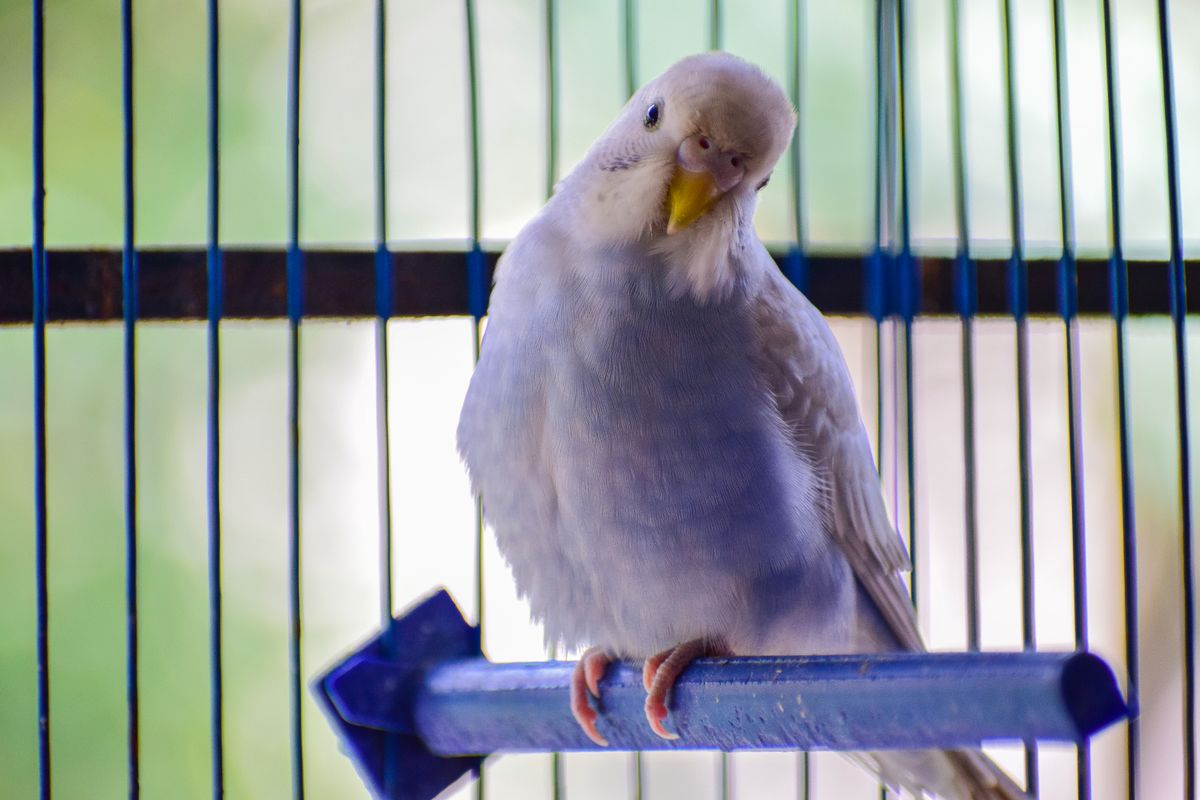
The signs worth watching for
A bird whose feathers stay fluffed up even at a normal temperature, who often sits with its eyes closed during the day, or who perches unsteadily, may be showing the early signs of feeling unwell. Changes in the droppings also matter, such as a marked change in colour or an unusually small amount, and are worth writing down.
Eating habits
A bird that eats less or loses weight is a particular worry. Birds have a high metabolic rate, so even a short spell without food can affect the body faster than it would in a mammal.
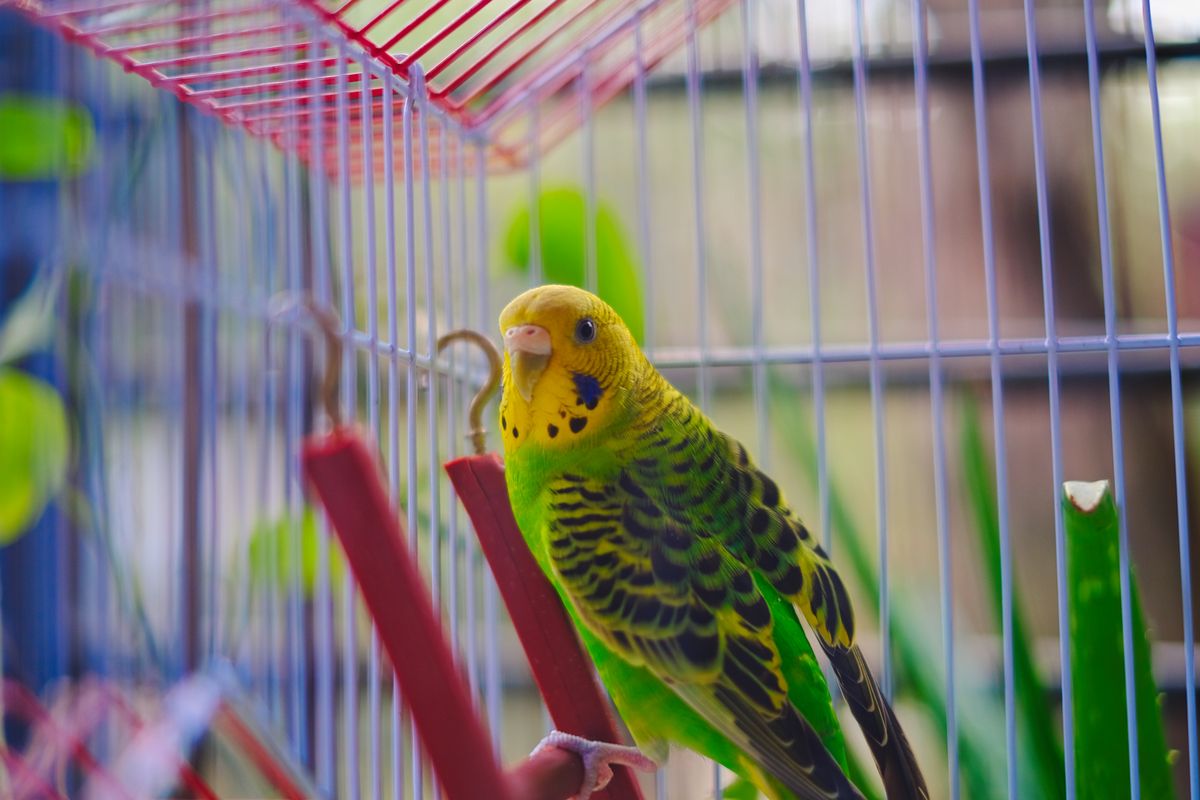
How the environment affects health
Temperature, humidity and light all have a direct effect on a bird's health. The cage should sit somewhere well ventilated, out of too much direct sun, and somewhere quiet and free from disturbance.
When to see a vet
If a bird has not eaten for more than 12 to 24 hours, is breathing with its beak open, or cannot keep its balance, bring it in straight away. These signs usually mean the illness has already reached a fairly serious stage.
At Hug & Heal we have vets who work with exotic pets, birds included, for advice and for preventive health checks.
Frequently asked questions
Q: How many hours without food is dangerous for a bird?
A: More than 12 to 24 hours means it should be seen. Birds have a high metabolic rate and can go downhill quickly.
Q: Is it abnormal for a bird's feathers to stay fluffed up?
A: If the feathers stay fluffed even at a normal temperature, it can be a sign of feeling unwell. Watch for other signs alongside it, and bring the bird in if it does not improve.