


How to Read a Cat Food Label and Pick the Right Formula
A cat food label holds a lot of important information, but many owners are unsure what to look at. Here are the 4 main points the vet checks: the nutrition standard, ingredient order, nutrient ratio, and the life stage on the label.

Quick answer: When reading a cat food label, check 4 main points: the nutrition standard (AAFCO or FEDIAF), the ingredient order with meat near the top, the protein, fat, and carbohydrate ratio that suits your cat's life stage, and the life stage shown on the label matching your real cat.
A cat food label holds a lot of important information, but owners are often unsure which part to focus on first.
Nutrition Standard
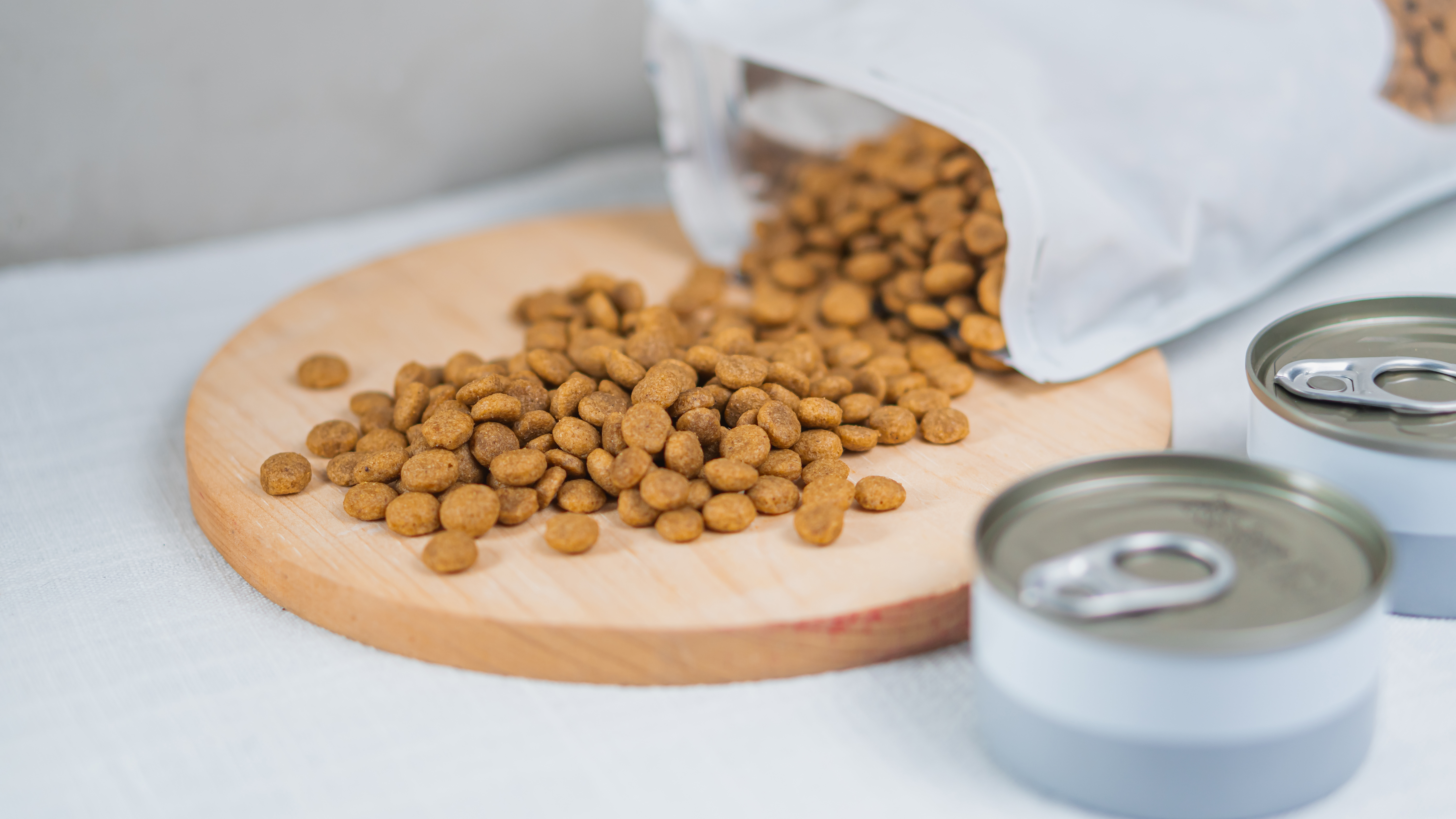
Look for a note that the food meets a nutrition standard, such as AAFCO or FEDIAF. This shows the formula is designed to be complete for a cat's needs at each life stage.
Ingredient Order
Ingredients on the label are listed from the largest amount to the smallest. Having a quality protein source, such as a clearly named meat, near the top is usually a good sign. Cats are natural meat eaters (obligate carnivores) and need mostly animal protein.
Energy Value and Nutrient Ratio
Consider the ratio of protein, fat, and carbohydrate so it fits your cat's life stage and body condition. For example, an overweight cat may need a formula with fewer calories than standard.
Life Stage on the Label

Food is often split by life stage, such as kitten, adult, and senior. Choose the one that matches your cat's real age, because energy and nutrient needs are clearly different.
If you are not sure which formula your cat should eat, our vet suggests asking a veterinarian, especially for cats with a specific health condition such as kidney disease or diabetes. At Hug & Heal we offer personalized nutrition advice for cats of every age. Come and talk with our vets.
Frequently Asked Questions
Q: Is high-carbohydrate cat food really bad? A: Cats need less carbohydrate than other animals. Food with too high a carbohydrate ratio may not suit a cat's natural needs.
Q: Do I need to change my cat's food when it becomes a senior? A: Consider changing or adjusting the formula on your vet's advice, because energy and nutrient needs change with age. A blood test is also recommended to assess the risk of conditions your cat may have, so the diet can be matched to its current state.
This article is for general pet care knowledge only. It is not a substitute for a diagnosis or advice from a veterinarian. If your cat shows unusual signs or has a health condition, please see a vet for a direct check.