


When Does a Pet Need IPD, or Inpatient Care?
IPD means admitting your pet to stay in hospital for continuous care, unlike OPD where you go home the same day. When vets usually recommend it, and what owners should prepare for.

Short answer: IPD, the In-Patient Department, means admitting your pet to stay in hospital for continuous care. It differs from OPD, where your pet is examined and goes home the same day. It is usually needed when a pet requires fluids on a drip or close monitoring after surgery.
When it comes to treating pets, most people are more familiar with OPD, or outpatient care. In some cases, though, a vet may recommend IPD instead.
What IPD is
IPD stands for In-Patient Department. It means your pet is admitted and stays in hospital for continuous care, rather than being examined and going home the same day as in OPD, the Out-Patient Department.
When IPD is usually needed
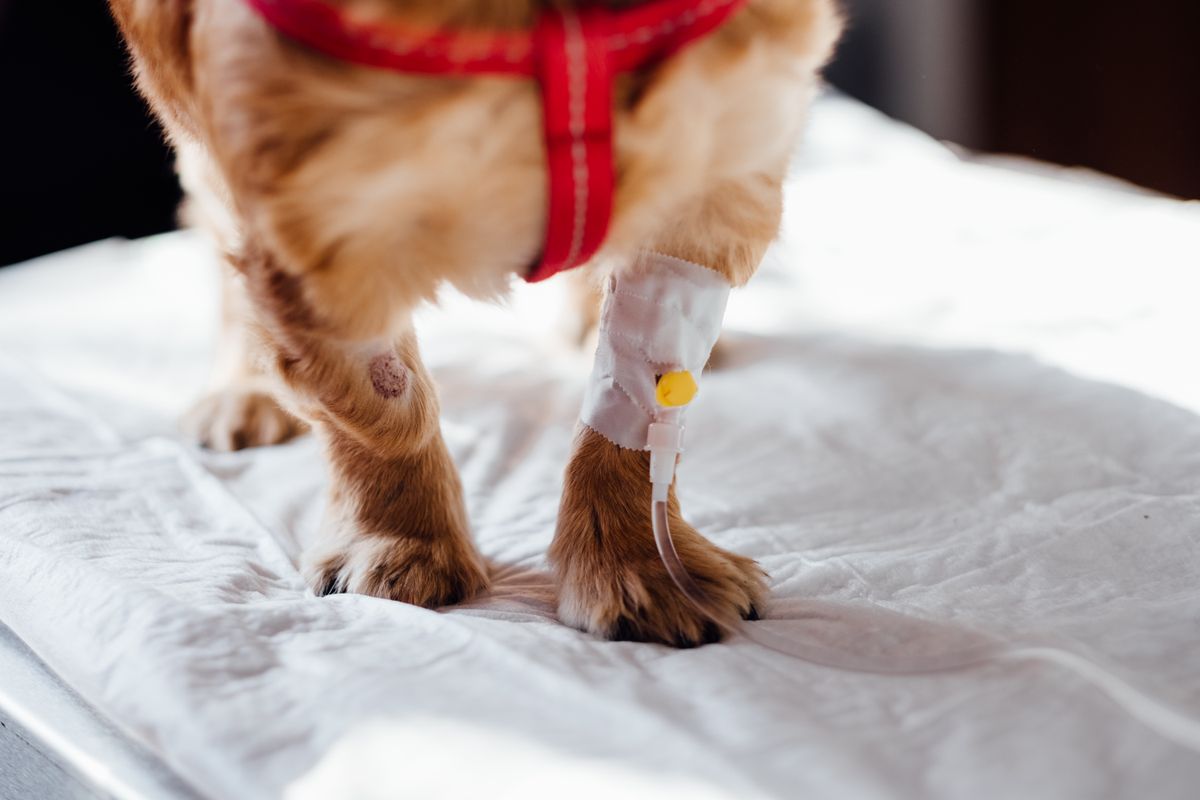
Pets who need fluids through a vein continuously, who need close monitoring after surgery, who are severely dehydrated, or whose vital signs need watching at all times, are usually advised to stay as inpatients so the veterinary team can follow their condition without a break.
Why inpatient care helps
Being under care 24 hours a day lets the veterinary team adjust the treatment plan the moment they notice a change. That matters a great deal when a condition can shift quickly.
What owners should prepare for
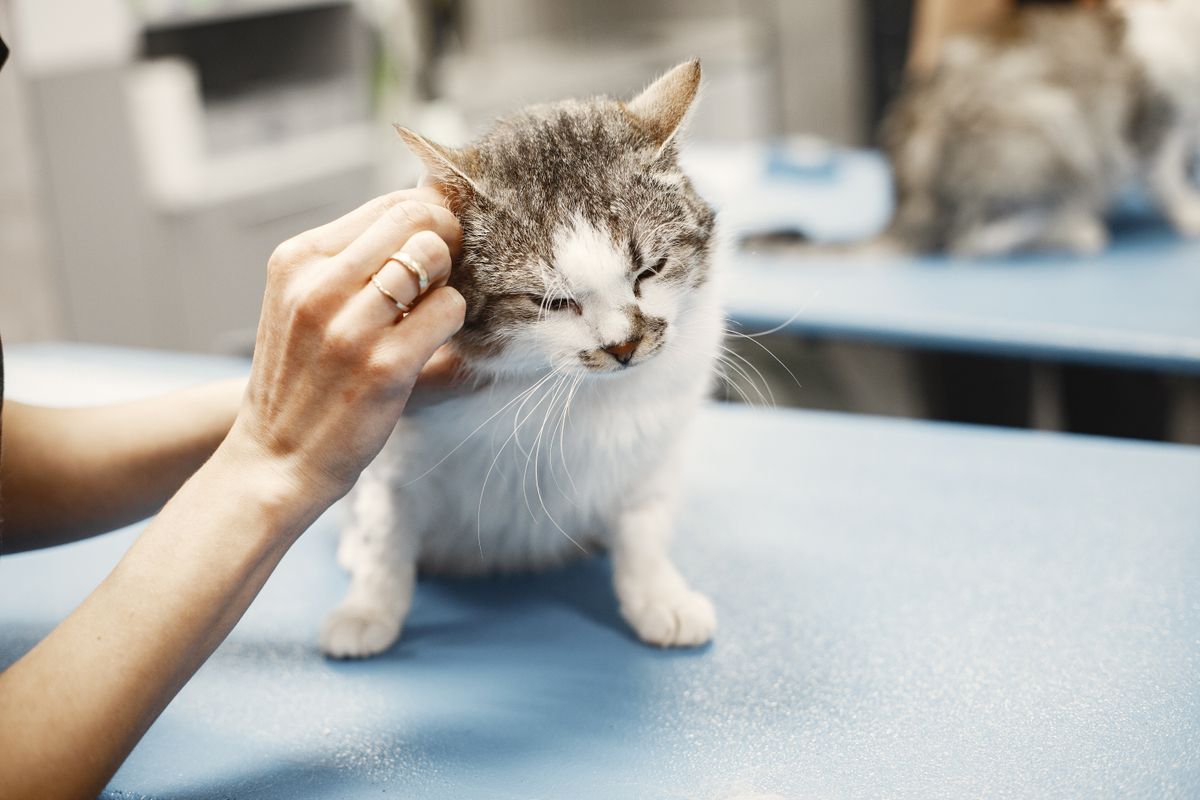
Ask the veterinary team about the treatment plan, how long your pet is expected to stay, and how you can check on them during the day. That makes it easier to feel settled and to plan around it.
At Hug & Heal we provide IPD care with vets and assistants on hand 24 hours a day, for dogs, cats and exotic pets, in an environment designed to keep stress low during a hospital stay.
Frequently asked questions
Q: What is the difference between IPD and OPD?
A: With OPD your pet is examined, treated and goes home the same day. With IPD your pet stays in hospital for continuous, close care.
Q: Is it the vet who decides that IPD is needed?
A: Yes. The vet assesses the symptoms and the likely course of the illness before recommending whether an inpatient stay is necessary.