


Why Heat and Light Control Matter So Much for Reptiles
Reptiles need both a warm zone and a cool zone in the same enclosure, plus UVB light to make vitamin D3 and absorb calcium, which prevents metabolic bone disease.

Short answer: Pet reptiles need a thermal gradient, meaning both a warm zone and a cool zone in the same enclosure so they can move between them as they choose, along with suitable UVB light to help them make vitamin D3 and absorb calcium, which prevents metabolic bone disease. Each species also has its own POTZ, short for Preferred Optimal Temperature Zone, the temperature range that species does best in.
Reptiles are cold blooded and depend on their surroundings to control their body temperature, so setting up the right environment matters enormously to their health.
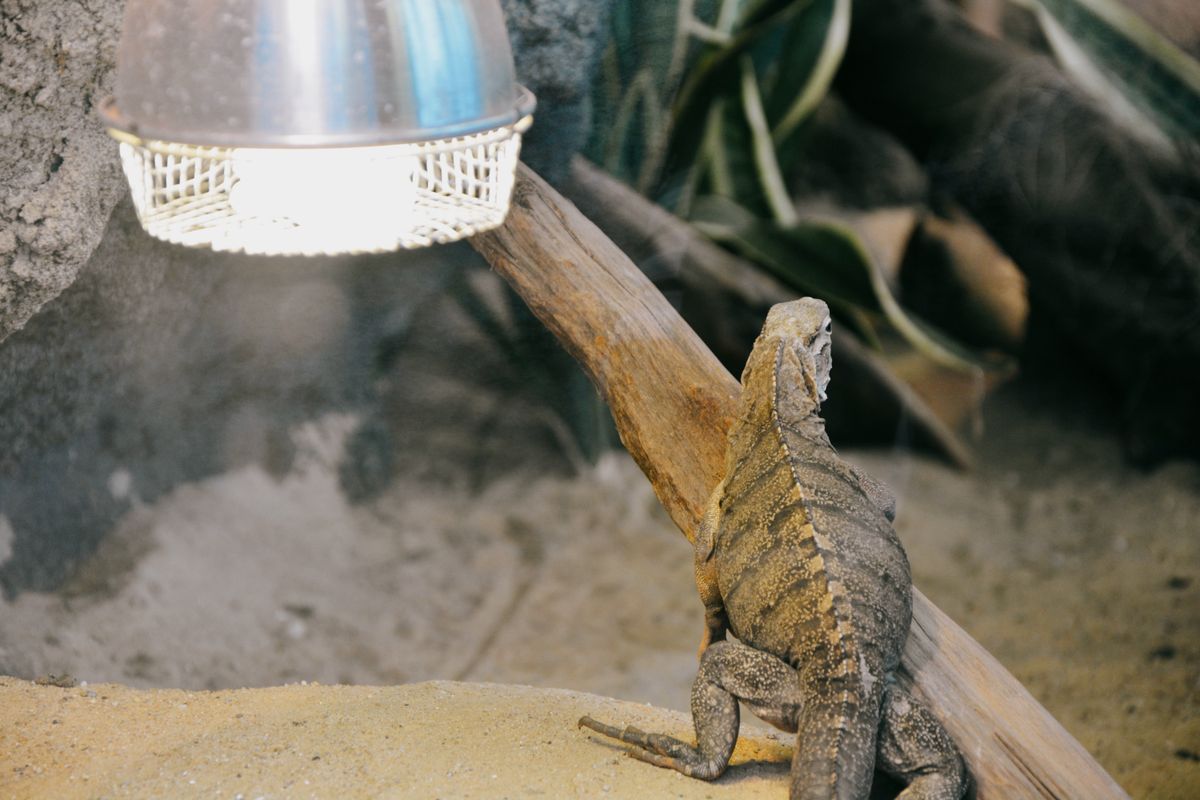
The principle of the thermal gradient
Set the enclosure up with both a warm zone and a cool zone in the same space, so the animal can move to whichever suits its body at that moment. That choice is an important natural behaviour.
Why UVB light matters
Many reptiles, tortoises and iguanas in particular, need UVB light to trigger the production of vitamin D3 in the body, which is necessary for absorbing calcium. Going without UVB for a long time is linked to metabolic bone disease, which is commonly seen in pet reptiles.
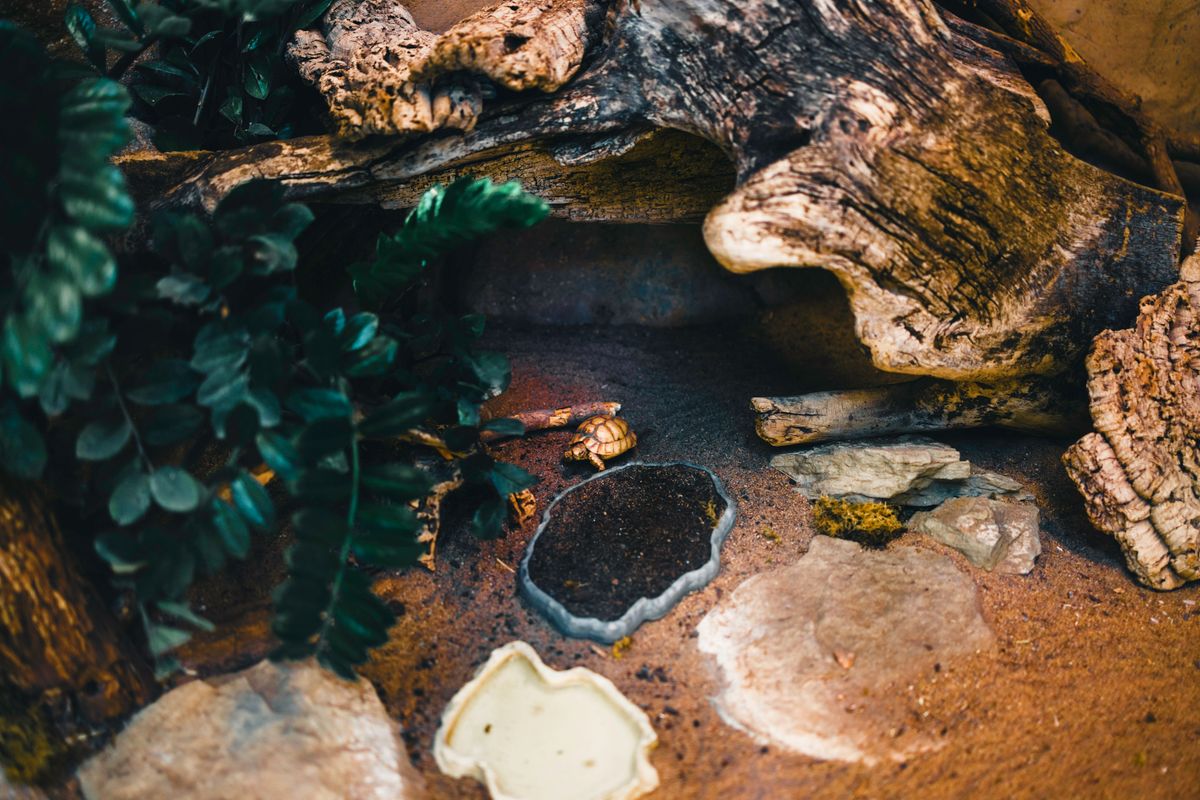
Getting the humidity right
Different species need different humidity levels. Some lizards, for example, need more humidity than a desert tortoise. Humidity that is set wrong can affect shedding and the respiratory system.
Signs the environment is not right
Incomplete shedding, unusual lethargy, or refusing food for a stretch can all come from unsuitable temperature or light. Check the equipment in the enclosure, and speak to a vet if things do not improve.
At Hug & Heal we have vets with specialist knowledge of exotic pets, ready to advise on setting up the right environment for each kind of reptile.
Frequently asked questions
Q: Do all reptiles need the same amount of UVB?
A: No. UVB needs vary by species and by where the animal comes from originally, so look up what your particular species requires.
Q: Why does a pet tortoise's shell become misshapen?
A: It is usually linked to a long term lack of UVB or calcium, which affects how the shell and bones develop.